
Easy Simple Mango Pudding Recipe
Oh my goodness, get ready to dive into a slice of pure sunshine! I am so incredibly excited to share this particular recipe with you because it truly lives up to its name. Forget complicated baking projects or lengthy ingredient lists; with this Easy Simple Mango Pudding, we’re talking about a dessert that practically makes itself, leaving you more time to enjoy life’s sweet moments.
What makes this Easy Simple Mango Pudding so special, you ask? It’s all about celebrating the vibrant, sweet essence of ripe, luscious mangoes in the most effortless way imaginable. I’ve designed this recipe to be utterly foolproof, requiring just a handful of ingredients and minimal effort, which means you get maximum tropical flavor with hardly any fuss. You’re going to absolutely love how quickly you can whip up something so utterly delightful, whether it’s for an impromptu treat, a casual dinner party, or just because you’re craving something sweet and wonderfully refreshing.
Imagine a silky-smooth, creamy pudding that bursts with the sweet, tangy flavor of fresh, ripe mango, all chilled to perfection. It’s light, incredibly refreshing, and has that beautiful, inviting golden hue that just screams ‘happy’! This isn’t just a dessert; it’s a little escape to a tropical paradise in every single spoonful. Trust me, once you try this Easy Simple Mango Pudding, it’ll instantly become your go-to recipe for a delicious, stress-free treat that never fails to impress.

Ingredient Notes
Making a truly irresistible Easy Simple Mango Pudding starts with understanding your ingredients. While this recipe prides itself on simplicity, selecting the right components can elevate your pudding from good to absolutely amazing. I always say, a simple recipe shines brightest when its core ingredients are top-notch!
Mangoes
The star of our show, of course, is the mango. For the best flavor and texture, I highly recommend using fresh, ripe mangoes. Look for mangoes that are slightly soft to the touch and have a fragrant, sweet aroma near the stem. Varieties like Ataulfo (honey mangoes), Alphonso, or Kent mangoes are fantastic choices because they are less fibrous and incredibly sweet, giving your pudding a super smooth, luscious consistency. You’ll need about 2-3 large mangoes to yield roughly 2 cups of puree, which is perfect for this recipe.
- Why fresh? Fresh mangoes offer a vibrant, natural sweetness and a complex flavor profile that is hard to replicate.
- Substitutions: If fresh mangoes are out of season or hard to find, good quality canned mango pulp can be used. Just be mindful of the added sugar in canned versions and adjust the sugar content in your recipe accordingly. I’ve found that some brands are sweeter than others, so a taste test before adding extra sugar is always a good idea.
Gelatin
Gelatin is what gives our pudding its delightful jiggly texture and helps it set beautifully. I typically use unflavored powdered gelatin for convenience, but gelatin sheets work just as well. The key is to “bloom” the gelatin first, which means rehydrating it in cold water before dissolving it in warm liquid. This prevents lumps and ensures a smooth set.
- Powdered Gelatin: Follow the package instructions for blooming, usually sprinkling it over a small amount of cold water and letting it sit for 5-10 minutes until it swells.
- Gelatin Sheets: Soak the sheets in a bowl of cold water for about 5-10 minutes until soft, then squeeze out the excess water before adding to your warm liquid.
- Vegetarian/Vegan Alternative: For a plant-based option, agar-agar powder is an excellent substitute. Agar-agar creates a firmer, less wobbly texture than gelatin. You’ll generally use less agar-agar than gelatin, so check package instructions for the correct ratio (often 1/2 to 1 teaspoon of agar-agar powder per cup of liquid). Agar-agar needs to be boiled briefly to activate, unlike gelatin which just needs to be dissolved in warm liquid.
Sweetener
Sugar is used to enhance the natural sweetness of the mangoes. Granulated white sugar is my go-to for its neutral flavor, allowing the mango to truly shine. However, you have options!
- Adjust to Taste: The amount of sugar needed will vary depending on the sweetness of your mangoes. Always taste your mango puree first!
- Alternatives: You can use honey, maple syrup, or even a sugar substitute if you prefer. Just remember that liquid sweeteners might slightly alter the overall liquid content, so keep that in mind.
Water
For a truly “simple” pudding, water is the perfect choice for dissolving the gelatin and creating a light, refreshing dessert. It allows the pure mango flavor to be front and center.
- For a Richer Pudding: If you’re feeling adventurous and want a creamier texture, you could substitute a portion of the water with evaporated milk or coconut milk. This isn’t strictly part of the “easy simple” version, but it’s a lovely variation if you’re looking to explore.
Step-by-Step Instructions
Making this Easy Simple Mango Pudding is truly a breeze! I’ve broken it down into a few straightforward steps, so you can achieve perfect, silky smooth pudding every time. Let’s get started!
Step 1: Prepare the Mango Puree
First things first, let’s get those beautiful mangoes ready. Peel your ripe mangoes carefully, then cut the flesh away from the large, flat pit. Once you have all the mango flesh, place it into a blender or food processor. Blend until you achieve a completely smooth and lump-free puree. You’re aiming for about 2 cups of puree. Give it a quick taste – this is your chance to assess its natural sweetness. If it’s already super sweet, you might need less added sugar later.
- Tip: If your mangoes are very fibrous, you might want to push the puree through a fine-mesh sieve to ensure an ultra-smooth texture, but with good quality mangoes, this step is often unnecessary.
Step 2: Bloom the Gelatin
Now, let’s get our gelatin ready. Sprinkle the unflavored powdered gelatin evenly over 1/2 cup of cold water in a small, heatproof bowl. Let it sit undisturbed for about 5-10 minutes. You’ll notice the gelatin absorbing the water and swelling into a soft, jelly-like consistency. This process is called “blooming” and it’s crucial for preventing grainy lumps in your final pudding.
- Important: Always use cold water to bloom gelatin. Hot water can cause it to clump and not dissolve properly.
Step 3: Dissolve the Gelatin and Sugar
Once your gelatin is bloomed, it’s time to dissolve it. Add the bloomed gelatin mixture and the granulated sugar (I usually start with 1/4 cup and adjust later) to a small saucepan. Heat the mixture over low heat, stirring constantly, until both the gelatin and sugar are completely dissolved. This usually takes just 2-3 minutes. You’re looking for a clear liquid with no visible granules. Make sure not to let the mixture boil, as excessive heat can weaken gelatin’s setting power.
- Alternative Method: If you prefer not to use the stovetop, you can also dissolve the bloomed gelatin and sugar in the microwave. Heat in 15-20 second intervals, stirring well after each, until dissolved.
Step 4: Combine and Adjust
Pour the warm, dissolved gelatin and sugar mixture into your bowl of mango puree. Stir well with a whisk until everything is thoroughly combined and homogenous. Now is the perfect time to give it another taste! If you think it needs more sweetness, you can stir in a little more sugar, ensuring it dissolves completely. If it needs a touch of brightness, a tiny squeeze of lime juice can really make the mango flavor pop, though it’s optional for this simple version.
- Consistency Check: Ensure there are no streaks or separated layers – it should be a uniform mango-colored liquid.
Step 5: Pour and Chill
Carefully pour the mango pudding mixture into individual serving dishes, ramekins, or a larger mold if you plan to unmold it. I love using small glass bowls or martini glasses for an elegant presentation. Once poured, cover the dishes loosely with plastic wrap to prevent a skin from forming on top. Transfer them to the refrigerator and chill for at least 3-4 hours, or preferably overnight, until the pudding is completely set and firm to the touch.
- Patience is Key: Don’t rush the chilling process! A properly chilled pudding will have the best texture.
Step 6: Serve and Garnish
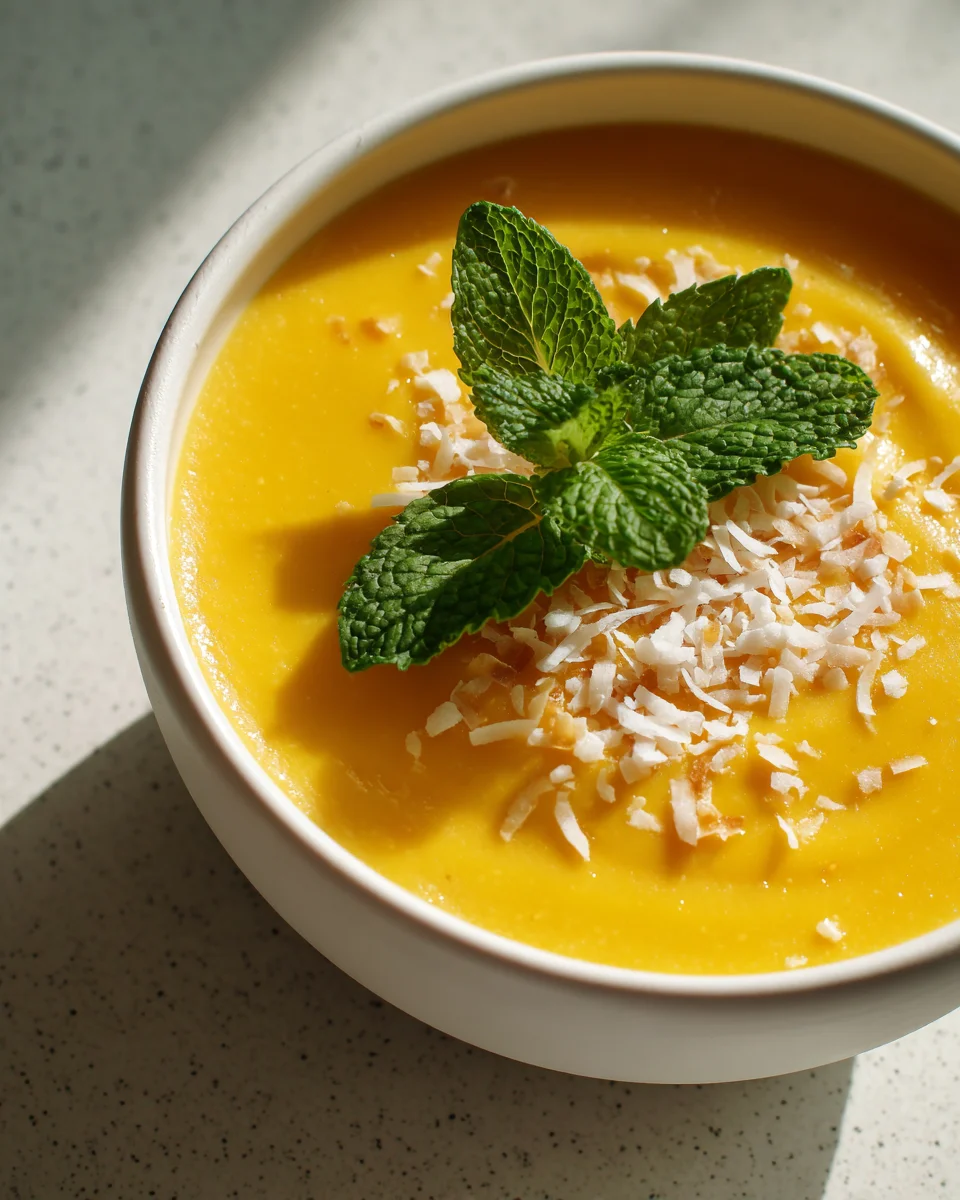
Once your mango pudding is perfectly set, it’s ready to enjoy! You can serve it as is, or add a simple garnish to make it extra special. Fresh mango cubes, a sprig of mint, or a dollop of whipped cream (or coconut cream for a dairy-free option) are all lovely additions. I find the vibrant color and natural sweetness of this pudding are often enough on their own!
Tips & Suggestions
I’ve made my fair share of mango puddings, and over time, I’ve picked up a few tricks that I think will really help you nail this recipe and even get creative with it. These tips are all about ensuring your Easy Simple Mango Pudding is nothing short of perfect!
Choosing the Best Mangoes
As I mentioned in the ingredient notes, mango selection is paramount. Don’t underestimate its importance! To tell if a mango is ripe, gently squeeze it – it should have a slight give, much like a ripe avocado. Also, sniff near the stem; a sweet, fruity aroma is a great sign. Avoid mangoes that are overly soft, bruised, or have a sour smell. The sweetness of your mangoes directly impacts how much sugar you’ll need to add, so starting with naturally sweet fruit reduces the need for extra sweetener.
Mastering Gelatin
- Don’t Boil: I can’t stress this enough – never boil your gelatin mixture. High heat can break down the proteins in gelatin, preventing it from setting properly. Gentle, consistent heat is all you need to dissolve it completely.
- Fully Dissolved: Ensure both the gelatin and sugar are completely dissolved before mixing with the mango puree. Undissolved granules can lead to a gritty texture. You should see a clear liquid, not cloudy or grainy.
- Agar-Agar Note: If using agar-agar, remember it needs to be boiled gently for a minute or two to activate its setting properties. This is a key difference from gelatin.
Adjusting Sweetness and Flavor
Taste, taste, taste! Your mango pudding should be a balance of sweet and tangy. After combining the dissolved gelatin and mango puree, taste the mixture. If it feels a bit flat, a tiny squeeze of fresh lime juice can brighten the flavors beautifully. If it’s not sweet enough for your liking, gradually stir in a little more sugar until it’s perfect. Remember, it’s easier to add more sweetness than to take it away!
Texture Talk
If you prefer a firmer pudding, you can slightly increase the amount of gelatin (e.g., use an extra 1/2 teaspoon for the whole recipe). For a softer, more delicate wobble, you can reduce it by a tiny bit. However, I’ve found that the specified amount in the recipe provides a lovely, classic pudding texture that holds its shape well but still melts in your mouth.
Creative Serving Suggestions
While this pudding is fantastic on its own, a few simple additions can make it even more special:
- Fresh Fruit: Top with diced fresh mango, berries, or passion fruit pulp for an extra burst of flavor and color.
- Creamy Topping: A dollop of whipped cream, coconut cream, or a drizzle of sweetened condensed milk adds a lovely richness.
- Herbal Touch: A fresh mint leaf not only adds a pop of green but also a refreshing aroma.
- Layering: For a fancier look, you could pour half the pudding mixture, let it set slightly, then add a layer of diced mango or a different fruit puree, and top with the remaining pudding mixture.
Troubleshooting
- Pudding Not Setting: This usually happens if the gelatin wasn’t fully dissolved, or if it was boiled and lost its setting power, or if too much liquid was used relative to the gelatin. Double-check your measurements and ensure proper heating.
- Pudding Too Firm: You likely used too much gelatin. Next time, reduce the amount slightly.
Storage
One of the many great things about this Easy Simple Mango Pudding is that it’s fantastic for making ahead, which means you can always have a delightful treat ready in the fridge!
Refrigeration
Once your mango pudding is set, it needs to be kept refrigerated. I always cover my individual serving dishes or the main mold tightly with plastic wrap or an airtight lid. This prevents the pudding from absorbing any fridge odors and keeps it fresh and moist. When stored properly in the refrigerator, your mango pudding will maintain its delicious flavor and perfect texture for about 3 to 4 days. It’s best served chilled, straight from the fridge!
Freezing
While it might be tempting to freeze leftovers, I generally do not recommend freezing gelatin-based puddings. The texture can change quite a bit upon thawing; it tends to become watery, grainy, and lose its smooth, delicate consistency. The water separates from the gelatin, resulting in a less pleasant eating experience. For the best results and to fully enjoy its smooth texture, stick to refrigeration for this pudding.
Final Thoughts
Well, there you have it! I truly believe that after trying out this Easy Simple Mango Pudding Recipe, you’ll understand why it’s become one of my absolute favorite go-to desserts. It perfectly embodies everything a wonderful treat should be: incredibly delicious, wonderfully refreshing, and delightfully straightforward to prepare. I love how this recipe brings the sweet, tropical essence of mango front and center with such minimal effort.
This isn’t just another pudding recipe; it’s a testament to how simple ingredients can create something truly special. Whether you’re looking for a quick dessert to cool down on a warm day, a delightful finish to a family meal, or just a sweet escape, this Easy Simple Mango Pudding Recipe is a guaranteed crowd-pleaser. I wholeheartedly encourage you to give it a try – I promise, your taste buds will thank you for the delicious, fuss-free experience!
Simple Mango Pudding Recipe – Delicious & Effortless Dessert
- Total Time: 20 minutes
- Yield: 4 servings 1x
Description
Dive into a slice of pure sunshine with this Easy Simple Mango Pudding! This delightful dessert is incredibly refreshing and requires minimal effort to prepare.
Ingredients
- 2–3 large ripe mangoes (to yield about 2 cups of puree)
- 1/2 cup cold water (for blooming gelatin)
- 1/4 cup granulated white sugar (adjust to taste)
- 1 tablespoon unflavored powdered gelatin (or gelatin sheets)
- Optional: lime juice (for brightness)
- Optional: evaporated milk or coconut milk (for a creamier texture)
Instructions
- Prepare the mango puree by peeling the mangoes, cutting the flesh away from the pit, and blending until smooth to achieve about 2 cups of puree.
- Bloom the gelatin by sprinkling it over 1/2 cup of cold water in a small bowl and letting it sit for 5-10 minutes until it swells.
- Dissolve the bloomed gelatin and sugar in a small saucepan over low heat, stirring until completely dissolved, about 2-3 minutes.
- Combine the warm gelatin and sugar mixture with the mango puree, stirring well. Taste and adjust sweetness or add lime juice if desired.
- Pour the mixture into serving dishes or a mold, cover loosely with plastic wrap, and refrigerate for at least 3-4 hours or overnight until set.
- Serve chilled, optionally garnished with fresh mango cubes, mint, or whipped cream.
- Prep Time: 15 mins
- Cook Time: 5 mins
- Category: Dessert
- Method: Chilling
- Cuisine: Tropical
Nutrition
- Serving Size: 1 bowl
- Calories: 150
- Sugar: 20 g
- Sodium: 5 mg
- Fat: 0 g
- Saturated Fat: 0 g
- Unsaturated Fat: 0 g
- Trans Fat: 0 g
- Carbohydrates: 35 g
- Fiber: 2 g
- Protein: 1 g
- Cholesterol: 0 mg
Keywords: Use fresh, ripe mangoes for the best flavor. Adjust sweetness based on the natural sweetness of the mangoes, and consider using agar-agar as a vegan alternative to gelatin.
Leave a Comment