
Ratatouille Soup
There’s something truly magical about taking a beloved classic and giving it a fresh, exciting twist, and that’s exactly what we’re doing with this Ratatouille Soup recipe! You might be familiar with the vibrant, rustic French vegetable medley, but trust me when I say transforming all those incredible flavors into a comforting, soul-warming soup takes it to a whole new level. I absolutely adore how all the sun-kissed goodness of eggplant, zucchini, bell peppers, and ripe tomatoes, simmered with fragrant herbs, becomes this incredibly satisfying and spoonable dish.
I think you’re going to fall head over heels for this soup because it’s everything you love about ratatouille – the rich, savory depth, the tender vegetables, the burst of Mediterranean sunshine in every bite – but in a wonderfully comforting, slurpable format. It’s perfect for a light lunch, a sophisticated starter, or even a cozy dinner with a crusty piece of bread on the side. It’s surprisingly simple to make, incredibly healthy, and bursts with such fresh, wholesome flavor, making it an absolute joy to cook and even more delightful to eat. Get ready to experience your favorite garden vegetables in a whole new, delicious way!

Ingredient Notes
Crafting the perfect Ratatouille Soup starts with understanding how the classic Provençal flavors translate into a comforting, soul-warming bowl. It’s less about layering and more about simmering to unlock those deep, harmonious tastes. Here are the key ingredients I rely on, and some handy substitutions.
- The Core Vegetables: For me, a ratatouille-inspired soup absolutely needs
- Eggplant: Choose a firm, glossy eggplant. I like to dice it into ½-inch cubes. It provides a wonderful, meaty texture as it softens in the soup.
- Zucchini: Similarly diced, zucchini adds freshness and a slightly sweet note. Don’t worry about salting it beforehand; it will release its moisture into the soup, contributing to the broth.
- Bell Peppers: A mix of red, yellow, and orange bell peppers adds beautiful color and a sweet, vibrant flavor. Green peppers can be a bit bitter for this soup, so I usually skip them or use a very small amount if I like a slight tang.
- Onion & Garlic: The aromatic backbone. A yellow onion, finely diced, and several cloves of minced garlic are essential for building the foundational flavor of the soup.
- Tomatoes: These are critical for the soup’s body and acidity. I typically use a combination of a 28-ounce can of good quality diced tomatoes (fire-roasted for extra depth, if I can find them) and a 15-ounce can of crushed tomatoes to thicken the broth slightly. If fresh tomatoes are in season, feel free to blanch, peel, and dice them – about 6-8 medium ones would be perfect.
- Vegetable Broth: This is what truly makes it a soup! I opt for a high-quality low-sodium vegetable broth so I can control the salt levels myself. You’ll need a good amount, typically 6-8 cups, depending on how soupy you like it.
- Herbs & Spices:
- Dried Herbs de Provence: A blend that instantly transports you to the South of France. If you don’t have it, a mix of dried thyme, oregano, and a pinch of rosemary works wonderfully.
- Bay Leaf: One or two bay leaves added during the simmer will infuse a subtle, savory aroma. Remember to remove them before serving.
- Fresh Basil: A handful of fresh basil, torn or roughly chopped, stirred in at the very end or used as a garnish, brightens everything up.
- Olive Oil: A good extra virgin olive oil is crucial for sautéing the vegetables and adding a rich, fruity note.
- Optional Protein – Beef: To make this soup heartier, I sometimes add about 1 pound of lean ground beef or pre-cooked, diced stew beef. If using ground beef, I brown it separately and drain the fat before adding it to the simmering soup. If using stew beef, ensure it’s tender before adding, or simmer it within the soup for longer until it reaches desired tenderness.
- For Depth & Acidity (Non-Alcoholic): Instead of wine, I use a splash of good quality balsamic vinegar or red wine vinegar right at the end of cooking. It really brightens the flavors and adds that missing complexity without any alcohol. A tablespoon or two is usually enough.
- Seasoning: Plenty of salt and freshly ground black pepper throughout the cooking process. Taste and adjust often!
Step-by-Step Instructions
Making Ratatouille Soup is a delightfully straightforward process, especially compared to the traditional layered dish. My goal is always to build layers of flavor through careful sautéing and a gentle simmer. Here’s how I bring it all together:
- Prep Your Veggies: First things first, get all your vegetables ready. I dice the onion, eggplant, zucchini, and bell peppers into roughly ½-inch pieces. Mince your garlic. This uniform size helps them cook evenly.
- Sauté the Aromatics: In a large, heavy-bottomed pot or Dutch oven, heat about 2 tablespoons of olive oil over medium heat. Add the diced onion and cook, stirring occasionally, until it’s softened and translucent, about 5-7 minutes. Then, stir in the minced garlic and cook for another minute until fragrant, being careful not to burn it.
- Introduce the Harder Vegetables: Add the diced eggplant and bell peppers to the pot. I cook these for about 8-10 minutes, stirring frequently, until they start to soften slightly and get a little color. This step is important for developing their flavor and texture before they fully break down in the soup.
- Add the Zucchini and Seasoning: Now, stir in the diced zucchini along with the dried Herbs de Provence and the bay leaf. Cook for another 3-5 minutes, allowing the herbs to bloom and the zucchini to start softening. Season generously with salt and freshly ground black pepper at this stage.
- Incorporate Tomatoes and Broth: Pour in the diced tomatoes (with their juices) and the crushed tomatoes. Stir well to combine. Then, add the vegetable broth. Give it a good stir to ensure nothing is sticking to the bottom of the pot.
- Optional Beef Addition (If Using): If you’re adding ground beef, brown it in a separate pan, drain any excess fat, and then stir it into the soup now. If using pre-cooked stew beef, add it in at this stage as well to warm through.
- Simmer and Develop Flavors: Bring the soup to a gentle boil, then reduce the heat to low, cover the pot partially (leaving a small gap for steam to escape), and let it simmer for at least 30-40 minutes, or even up to an hour. The longer it simmers, the more the flavors will meld and deepen, and the vegetables will become wonderfully tender. Stir occasionally to prevent sticking.
- Finish and Adjust: Once the vegetables are tender and the flavors have developed, remove and discard the bay leaf. Stir in the fresh basil and a splash of balsamic or red wine vinegar. Taste the soup and adjust the seasonings as needed – you might want more salt, pepper, or even a tiny pinch of sugar to balance the acidity from the tomatoes.
- Serve: Ladle the hot soup into bowls and serve immediately. I love a drizzle of fresh olive oil and a sprinkle of fresh basil as a garnish.
Tips & Suggestions
Turning a classic ratatouille into a soup is all about balancing textures and intensifying flavors. Here are some of my favorite tips to elevate your Ratatouille Soup from good to absolutely delicious:
- Don’t Rush the Sauté: The initial sautéing of the onions, garlic, eggplant, and bell peppers is crucial. Allow them to soften and develop a little color. This caramelization builds the foundation of the soup’s flavor profile. If you rush this step, your soup might taste a bit flat.
- Uniform Chopping is Key: While it’s a rustic soup, try to chop your vegetables into similar-sized pieces (around ½-inch dice). This ensures they cook evenly and you don’t end up with some mushy and some undercooked bits.
- Taste, Taste, Taste: Seasoning is not a one-time event. Taste the soup throughout the cooking process – after adding the vegetables, after adding the broth, and especially just before serving. This allows you to adjust salt, pepper, and acidity to perfection. A final splash of vinegar or a tiny pinch of sugar can make all the difference in brightening the flavors.
- Consider a Partial Blend: If you prefer a slightly thicker, creamier soup but still want some chunky texture, you can ladle out about 1-2 cups of the finished soup (solids and liquid) and blend it with an immersion blender or in a regular blender until smooth. Then, stir it back into the pot. This adds body without making it a completely puréed soup.
- Make it Heartier: Beyond the optional beef, consider adding cooked whole grains like farro or barley, or even small pasta shapes (like ditalini or orzo) during the last 15 minutes of simmering. A can of drained and rinsed cannellini beans or chickpeas can also boost the protein and fiber content.
- Serve it Right: This soup is fantastic on its own, but it truly shines with accompaniments. I love serving it with a crusty baguette for dipping, a grilled cheese sandwich, or a side of fresh pesto drizzled over the top. A dollop of plain Greek yogurt or a plant-based crème fraîche alternative also adds a lovely creamy contrast.
- Spice it Up: For a little kick, add a pinch of red pepper flakes along with the other dried herbs.
Storage
One of the best things about Ratatouille Soup is how well it stores and often tastes even better the next day! This makes it a fantastic meal prep option.
- Refrigeration:
- Once your Ratatouille Soup has cooled completely to room temperature (this is crucial to prevent bacterial growth and maintain food safety), transfer it to airtight containers.
- It will keep beautifully in the refrigerator for up to 3-4 days.
- To reheat, gently warm the desired portion on the stovetop over medium-low heat, stirring occasionally, until heated through. You can also microwave it, but I find the stovetop method yields a more evenly heated and flavorful result. If the soup has thickened too much in the fridge, you can add a splash of vegetable broth or water while reheating to reach your desired consistency.
- Freezing:
- Ratatouille Soup freezes exceptionally well, making it perfect for batch cooking.
- Again, ensure the soup is completely cooled before freezing. Portion it into freezer-safe airtight containers or heavy-duty freezer bags. If using bags, lay them flat to freeze, which saves space.
- The soup can be stored in the freezer for up to 3 months without significant loss of quality. Beyond that, the texture of some vegetables (like zucchini) might become a little softer upon thawing, but the flavor will still be excellent.
- Thawing and Reheating: To use, you can thaw the soup overnight in the refrigerator. Alternatively, for a quicker approach, you can gently reheat it directly from frozen in a pot on the stovetop over low heat, stirring frequently and breaking up any frozen chunks, adding a bit of broth or water if needed.
- Flavor Evolution: Don’t be surprised if your Ratatouille Soup tastes even more delicious on day two or three! The flavors have more time to meld and deepen, creating a richer, more harmonious experience.
Final Thoughts
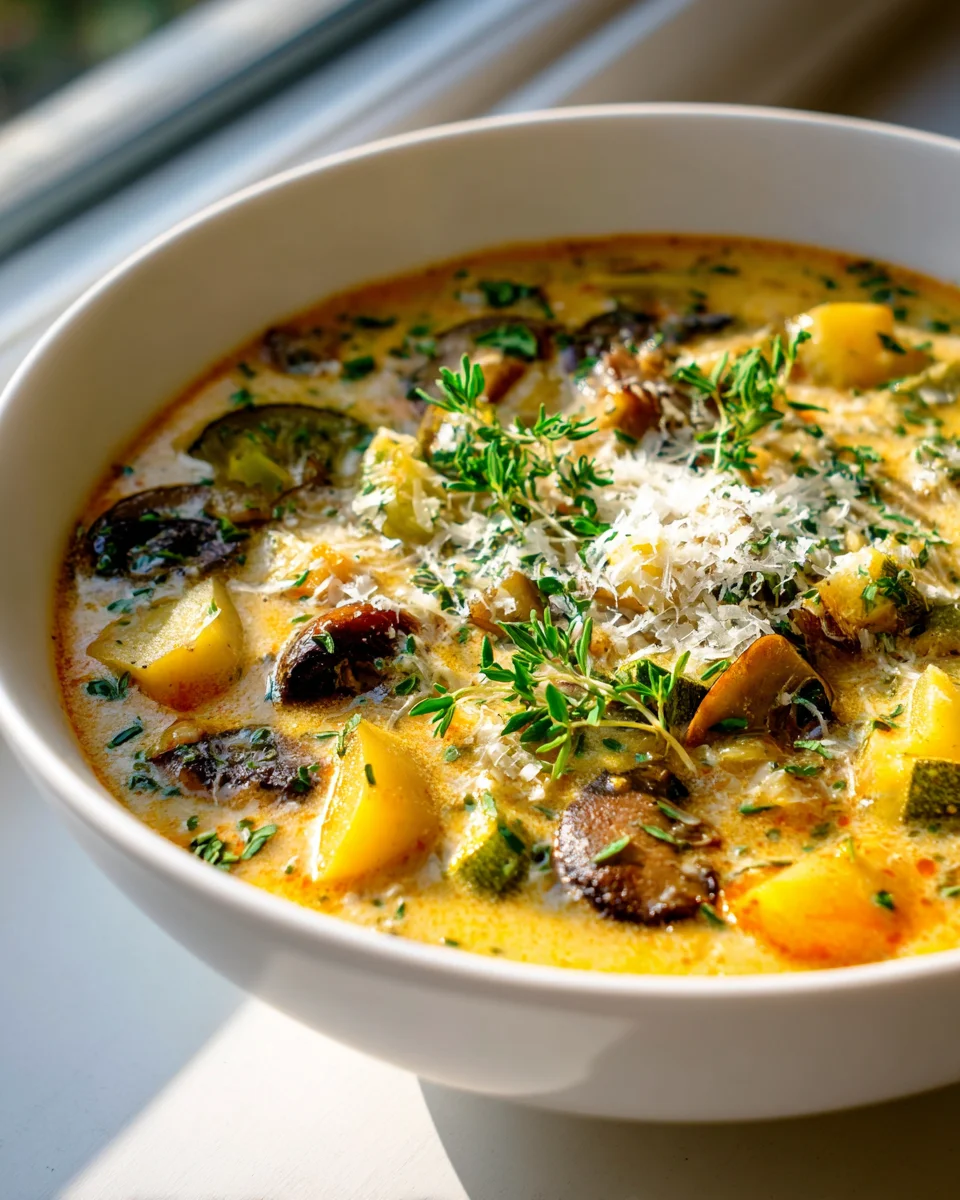
And there you have it – your incredibly satisfying bowl of Ratatouille Soup! I truly believe this recipe is an absolute must-try. It takes all the vibrant, sun-drenched flavors of classic ratatouille and transforms them into a wonderfully comforting, yet light, soup experience. It’s the perfect dish for a cozy evening, a nutritious lunch, or whenever you crave something packed with garden-fresh goodness. You’ll find an amazing depth of flavor in every spoonful, making this Ratatouille Soup not just a meal, but a warm, healthy hug in a bowl. Don’t hesitate to give it a whirl – I promise, your taste buds will thank you!

Healthy & Delicious Ratatouille Soup Recipe
- Total Time: 55 minutes
- Yield: 4 servings 1x
Description
Experience the vibrant flavors of classic ratatouille transformed into a comforting soup! This Ratatouille Soup is packed with fresh vegetables and aromatic herbs, making it a perfect light meal or starter.
Ingredients
- 1 firm, glossy eggplant, diced into ½-inch cubes
- 1 zucchini, diced
- 1 red bell pepper, diced
- 1 yellow bell pepper, diced
- 1 orange bell pepper, diced
- 1 yellow onion, finely diced
- Several cloves of garlic, minced
- 1 (28-ounce) can of good quality diced tomatoes
- 1 (15-ounce) can of crushed tomatoes
- 6–8 cups of low-sodium vegetable broth
- Dried Herbs de Provence
- 1–2 bay leaves
- A handful of fresh basil, torn or roughly chopped
- 2 tablespoons of extra virgin olive oil
- 1 pound of lean ground beef or pre-cooked, diced stew beef (optional)
- Balsamic vinegar or red wine vinegar (1-2 tablespoons)
- Salt, to taste
- Freshly ground black pepper, to taste
Instructions
- Prep Your Veggies: Dice the onion, eggplant, zucchini, and bell peppers into roughly ½-inch pieces. Mince the garlic.
- Sauté the Aromatics: In a large pot, heat about 2 tablespoons of olive oil over medium heat. Add the diced onion and cook until softened and translucent, about 5-7 minutes. Stir in the minced garlic and cook for another minute until fragrant.
- Introduce the Harder Vegetables: Add the diced eggplant and bell peppers to the pot. Cook for about 8-10 minutes, stirring frequently, until they start to soften slightly.
- Add the Zucchini and Seasoning: Stir in the diced zucchini along with the dried Herbs de Provence and the bay leaf. Cook for another 3-5 minutes, seasoning generously with salt and pepper.
- Incorporate Tomatoes and Broth: Pour in the diced tomatoes (with their juices) and crushed tomatoes. Stir well to combine, then add the vegetable broth.
- Optional Beef Addition: If using ground beef, brown it separately, drain excess fat, and stir it into the soup. If using pre-cooked stew beef, add it now.
- Simmer and Develop Flavors: Bring the soup to a gentle boil, reduce heat to low, cover partially, and let it simmer for at least 30-40 minutes.
- Finish and Adjust: Once the vegetables are tender, remove and discard the bay leaf. Stir in fresh basil and a splash of balsamic or red wine vinegar. Adjust seasonings as needed.
- Serve: Ladle the hot soup into bowls and serve immediately, garnished with a drizzle of olive oil and fresh basil.
- Prep Time: 15 mins
- Cook Time: 40 mins
- Category: Dinner
- Method: Simmering
- Cuisine: French
Nutrition
- Serving Size: 1 bowl
- Calories: 250
- Sugar: 8 g
- Sodium: 600 mg
- Fat: 10 g
- Saturated Fat: 1 g
- Unsaturated Fat: 8 g
- Trans Fat: 0 g
- Carbohydrates: 30 g
- Fiber: 7 g
- Protein: 10 g
- Cholesterol: 40 mg
Keywords: Don't rush the sautéing process to build flavor. Uniform chopping ensures even cooking. Taste throughout cooking to adjust seasonings, and consider blending part of the soup for a creamier texture.
Leave a Comment