
French Toast Breakfast Sandwich
Oh, prepare yourselves, because you’re about to meet your new favorite breakfast obsession: the French Toast Breakfast Sandwich. I’m talking about a dish that takes everything you love about a hearty breakfast and wraps it up in one incredible, handheld package. Forget having to choose between sweet French toast and a savory breakfast sandwich; with this recipe, we’re getting the best of both worlds, all at once!
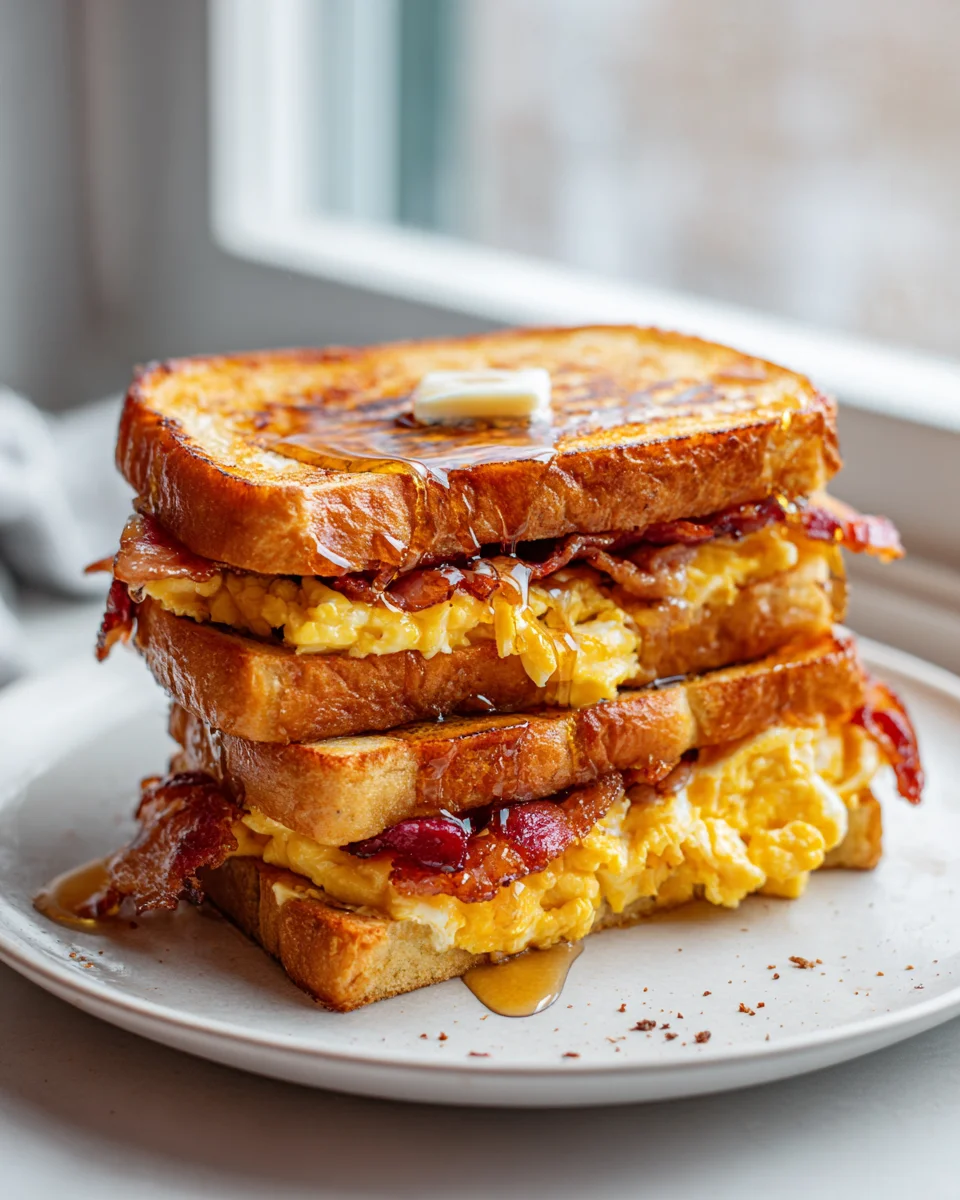
What makes this particular creation so special, you ask? Well, imagine perfectly golden, custardy French toast slices – maybe made from a thick-cut brioche or challah – serving as the sweet, tender bread for a truly epic breakfast sandwich. Inside, we’re layering up all the good stuff: fluffy scrambled eggs, melty cheese that oozes with every bite, and a delicious, savory beef component. It’s an explosion of flavors and textures that simply works.
You are going to absolutely love this French Toast Breakfast Sandwich because it’s the ultimate comfort food indulgence. It’s hearty enough to fuel your day, sophisticated enough for a special brunch, and delightfully messy enough to make you feel like a kid again. Every bite delivers that incredible sweet-and-savory harmony – the delicate sweetness of the French toast perfectly complementing the rich eggs, beef, and cheese. Get ready to elevate your breakfast game; this isn’t just a meal, it’s an experience!

Ingredient Notes
Crafting the perfect French Toast Breakfast Sandwich means thinking about two main components: the delicious French toast that forms our “bread” and the hearty, savory fillings tucked inside. Here’s a look at what I use and some helpful substitutions.
For the French Toast
Bread: For a French Toast Breakfast Sandwich, a thick-cut bread is non-negotiable! It needs to be sturdy enough to soak up the batter without falling apart, and robust enough to hold all our amazing fillings. My favorites are brioche or challah for their rich flavor and tender crumb, but Texas toast is also excellent. If you’re using regular sandwich bread, opt for a medium-thick slice.
Eggs: Fresh, large eggs are the cornerstone of a good French toast batter, providing richness and the perfect custardy texture. They’re essential for binding everything together.
Milk: I typically use whole milk for the creamiest, most luxurious French toast. However, 2% milk works just fine, and for dairy-free options, unsweetened almond milk or oat milk are fantastic alternatives that don’t compromise on the final texture or taste.
Sweetener: A touch of maple syrup or granulated sugar in the batter adds a subtle sweetness that beautifully complements both the French toast itself and any savory fillings you choose. Adjust the amount to your personal preference.
Flavorings: Pure vanilla extract is a must for that classic, comforting French toast aroma. I also love to add a pinch of ground cinnamon or nutmeg for a warming spice note. For a little something special, a tiny splash of orange blossom water can introduce a delicate, fragrant twist, serving as a lovely non-alcohol alternative to traditional liqueurs.
Butter/Oil: I prefer unsalted butter for cooking my French toast; it contributes to a beautiful golden-brown crust and a rich flavor. If you’re looking for a non-dairy option or prefer a higher smoke point, a neutral oil like canola or vegetable oil is a great choice.
For the Sandwich Fillings
This is where we transform simple French toast into an epic breakfast sandwich! The beauty is in the customization.
Eggs: Fluffy scrambled eggs are my go-to for convenience and their perfect fit within the sandwich. For those who enjoy a richer experience, a perfectly fried egg with a slightly runny yolk is incredibly satisfying, just be prepared for a bit more delicious mess!
Cheese: A good melting cheese is paramount for that irresistible gooey factor. Slices of sharp cheddar, creamy provolone, classic American, or even a tangy Swiss cheese all work wonderfully. I often use a mix of two for added depth of flavor.
Breakfast Meat: To add a hearty, savory counterpoint, I always include some breakfast meat. Crispy strips of beef bacon or savory beef breakfast sausage patties are fantastic choices. Just be sure they’re fully cooked before assembly.
Condiments: Don’t underestimate the power of a good sauce! A drizzle of pure maple syrup is classic, playing on the sweet and savory notes. Alternatively, a dash of your favorite hot sauce, a spread of strawberry jam, or even a creamy avocado mash can take your sandwich to the next level.
Step-by-Step Instructions
Ready to build the most incredible breakfast? Here’s my process for creating the French Toast Breakfast Sandwich, ensuring every component is perfectly cooked and ready for assembly. I find it easiest to cook the French toast first, keeping it warm while I prepare the fillings.
Prepare the French Toast Batter: In a shallow dish or a wide bowl (large enough to fit your bread slices), whisk together the eggs, milk, maple syrup (or sugar), vanilla extract, and any spices like cinnamon or nutmeg. Whisk until the mixture is well combined and slightly frothy. This is our luscious custard soak!
Soak the Bread: Gently place your thick-cut bread slices into the batter, one or two at a time. Allow them to soak for approximately 20-30 seconds per side. The goal is for the bread to absorb a good amount of the custardy batter without becoming completely saturated or soggy, as it still needs to be sturdy enough for a sandwich. Thicker bread might need a few extra seconds, but be careful not to over-soak.
Cook the French Toast: Heat a large non-stick skillet or griddle over medium heat. Add a pat of unsalted butter or a swirl of neutral oil. Once the butter is melted and sizzling (or the oil is shimmering), carefully place the soaked bread slices onto the hot surface, ensuring you don’t overcrowd the pan. Cook for about 3-4 minutes per side, or until each slice is beautifully golden brown and cooked through. The internal temperature should reach about 170°F (77°C). Transfer the cooked French toast slices to a plate and keep them warm, perhaps loosely covered with foil, while you finish cooking the rest.
Prepare Your Fillings: While your French toast is cooking, use this time to get your sandwich fillings ready.
- Eggs: Scramble your eggs in a separate pan until they are just set and fluffy, or fry them to your preferred doneness. Season generously with salt and pepper.
- Meat: Cook your beef bacon until it’s wonderfully crispy, or heat your beef breakfast sausage patties according to their package directions.
- Cheese: Have your cheese slices ready and waiting.
Assemble the Sandwich: Now for the exciting part! Take one warm slice of French toast. Layer your cooked eggs on top, followed by the crispy beef bacon or savory beef sausage. Place a slice (or two!) of your favorite cheese on top. If you like, this is the perfect moment for a drizzle of maple syrup or a dollop of hot sauce. Crown it all with the second warm slice of French toast.
Melt the Cheese (Optional but Highly Recommended!): For that ultimate gooey cheese pull, you can briefly return the assembled sandwich to a clean, warm skillet over low heat. Cover the skillet with a lid for 1-2 minutes, or until the cheese is beautifully melted and cascading over the fillings. Alternatively, pop the sandwich into a preheated oven at 300°F (150°C) for a couple of minutes.
Serve Immediately: Slice your French Toast Breakfast Sandwich in half diagonally for easy handling and dig in while it’s wonderfully warm and fresh. Enjoy this delightful fusion of sweet and savory flavors!
Tips & Suggestions
To elevate your French Toast Breakfast Sandwich from good to absolutely unforgettable, I have a few tricks up my sleeve. These specific tips will help you perfect every aspect of this delicious dish.
Don’t Overcrowd the Pan: This is a golden rule for cooking French toast. Overcrowding your skillet lowers its temperature, leading to steamed rather than beautifully browned and slightly crispy French toast. Cook in batches if necessary, giving each slice ample space.
Slightly Stale Bread is Your Friend: While fresh, thick-cut bread works, bread that’s a day or two old is often even better for French toast. It absorbs the custardy batter more efficiently without becoming overly soggy, ensuring a perfect balance of tender interior and crisp exterior. If your bread is super fresh, you can lightly toast it in the oven for a few minutes to dry it out slightly before soaking.
Warm Your Syrup: A small but impactful detail! Gently warming your maple syrup in the microwave or a small saucepan before serving enhances the cozy, comforting feel of the entire breakfast. It just melts into every crevice of your sandwich more beautifully.
Embrace the Sweet & Savory Balance: This sandwich truly shines because of the delightful contrast between the sweet French toast and the savory fillings. Don’t shy away from that drizzle of maple syrup, even with your beef bacon and eggs. The interplay of flavors is what makes it so uniquely delicious. For a more savory lean, simply reduce the sugar in the batter and amp up the seasoning in your eggs.
Add Freshness with Veggies: To brighten up your sandwich, consider adding a thin layer of fresh spinach, some sliced avocado for creaminess, or even a few slices of ripe tomato. These additions provide a lovely textural contrast and a pop of fresh flavor.
Keep Components Warm: If you’re cooking for more than one or two people, keep your cooked French toast slices warm on a baking sheet in a low oven (around 200°F / 93°C) while you finish the rest. Similarly, cooked beef bacon or sausage can be held in the oven on a separate tray. This ensures everything is piping hot for assembly.
Experiment with Cheese Combinations: Why stick to one cheese when you can have two? I often combine a sharper, more flavorful cheese like cheddar with a meltier option such as American or Monterey Jack for the ultimate gooey, cheesy experience. Play around to find your favorite blend!
Storage
While the French Toast Breakfast Sandwich is undeniably at its peak when enjoyed fresh and hot, I understand the practicality of preparing components ahead of time or handling leftovers. Here’s how I recommend storing various parts of this delicious meal.
Cooked French Toast:
- Refrigeration: Leftover cooked French toast slices can be stored in an airtight container in the refrigerator for up to 2-3 days. Make sure they are completely cooled before storing.
- Freezing: For longer storage, allow the French toast to cool completely. Place a piece of parchment paper between each slice to prevent them from sticking together. Then, wrap them tightly in plastic wrap and aluminum foil, or transfer them to a freezer-safe bag. They will keep well in the freezer for up to 1 month.
- Reheating: From the refrigerator, you can reheat French toast in a toaster oven, a conventional oven at 350°F (175°C) for about 5-8 minutes, or in a skillet over medium heat until warmed through and slightly crisp. From frozen, reheat directly in a toaster oven or conventional oven, increasing the cooking time to 10-15 minutes, or until they are heated through. I generally advise against using a microwave for reheating if you want to retain any crispness.
Cooked Fillings (Eggs, Beef Bacon/Sausage):
- Refrigeration: Cooked eggs (scrambled or fried), beef bacon, and beef sausage can all be stored separately in airtight containers in the refrigerator for up to 3-4 days.
- Reheating: Gently reheat scrambled eggs in a microwave or a non-stick skillet over low heat. Reheat beef bacon or sausage in a skillet, oven, or microwave until warmed through.
Assembled Sandwiches:
I typically do not recommend assembling the French Toast Breakfast Sandwich and then storing it for an extended period. The French toast can become quite soggy as it sits with the fillings, and the textures, especially of the cheese and eggs, won’t be as fresh or enjoyable. It is always best to assemble this sandwich just before you plan to eat it for the freshest and most delicious experience.
If you absolutely must prepare it a few hours in advance, assemble it, wrap it tightly in plastic wrap, and refrigerate. Be aware that the French toast will likely have a softer texture. For reheating, a toaster oven or conventional oven would yield the best results to help crisp up the French toast again.
Final Thoughts
I truly hope you’re as excited as I am to try this incredible French Toast Breakfast Sandwich. It’s more than just a meal; it’s an experience that perfectly balances the comforting sweetness of classic French toast with the satisfying savory notes of a hearty breakfast. Imagine that first bite: the soft, eggy bread, the melty goodness, and the delicious filling all coming together in one perfect handheld package. I find it to be an absolutely brilliant way to elevate your morning routine, turning a simple breakfast into something truly special and memorable. Trust me, once you make this French Toast Breakfast Sandwich, you’ll understand why it’s destined to become a new favorite in your kitchen. Go ahead, give it a try – you deserve this delicious start to your day!

French Toast Breakfast Sandwich: Your New Favorite Brunch!
- Total Time: 45 minutes
- Yield: 4 servings
Description
Indulge in the ultimate breakfast experience with this French Toast Breakfast Sandwich, combining sweet and savory flavors in a handheld delight. Perfect for brunch or a hearty start to your day!
Ingredients
- Thick-cut bread (brioche, challah, or Texas toast)
- Fresh, large eggs
- Whole milk (or 2% milk, unsweetened almond milk, or oat milk)
- Maple syrup or granulated sugar
- Pure vanilla extract
- Ground cinnamon or nutmeg (optional)
- Orange blossom water (optional)
- Unsalted butter or neutral oil (canola or vegetable oil)
- Fluffy scrambled eggs or fried eggs
- Sharp cheddar cheese, creamy provolone, American cheese, or Swiss cheese
- Crispy beef bacon or beef breakfast sausage patties
- Maple syrup, hot sauce, strawberry jam, or avocado mash (for condiments)
Instructions
- Prepare the French Toast Batter: In a shallow dish or a wide bowl, whisk together the eggs, milk, maple syrup (or sugar), vanilla extract, and any spices like cinnamon or nutmeg until well combined and slightly frothy.
- Soak the Bread: Gently place your thick-cut bread slices into the batter, allowing them to soak for approximately 20-30 seconds per side.
- Cook the French Toast: Heat a large non-stick skillet or griddle over medium heat. Add a pat of unsalted butter or a swirl of neutral oil. Once melted, carefully place the soaked bread slices onto the hot surface and cook for about 3-4 minutes per side until golden brown.
- Prepare Your Fillings: While the French toast is cooking, scramble your eggs in a separate pan or fry them to your preferred doneness. Cook your beef bacon until crispy or heat your beef sausage patties according to package directions.
- Assemble the Sandwich: Take one warm slice of French toast, layer your cooked eggs, followed by the crispy beef bacon or sausage, and top with cheese. Optionally, drizzle with maple syrup or add hot sauce before topping with the second slice of French toast.
- Melt the Cheese (Optional): Return the assembled sandwich to a warm skillet over low heat, cover with a lid for 1-2 minutes until the cheese melts, or place in a preheated oven at 300°F (150°C) for a couple of minutes.
- Serve Immediately: Slice your French Toast Breakfast Sandwich in half diagonally and enjoy while warm.
- Prep Time: 15 mins
- Cook Time: 30 mins
- Category: Breakfast
- Method: Cooking
- Cuisine: American
Nutrition
- Serving Size: 1 sandwich
- Calories: 600
- Sugar: 10 g
- Sodium: 800 mg
- Fat: 30 g
- Saturated Fat: 15 g
- Unsaturated Fat: 10 g
- Trans Fat: 0 g
- Carbohydrates: 50 g
- Fiber: 2 g
- Protein: 25 g
- Cholesterol: 300 mg
Keywords: Don't overcrowd the pan while cooking the French toast to ensure even browning. Slightly stale bread absorbs the batter better, and warming your syrup enhances the overall experience. Feel free to add fresh veggies like spinach or avocado for extra flavor.
Leave a Comment