
Mouthwatering Old Fashioned Beef Stew
Oh, Mouthwatering Old Fashioned Beef Stew – just saying the name makes my heart happy! There’s something uniquely comforting about a classic beef stew, isn’t there? It’s more than just a meal; it’s a warm embrace on a chilly day, a dish that instantly brings a sense of coziness and nostalgia to the table. I truly believe everyone needs a go-to beef stew recipe in their repertoire, and this one, my friends, is it.
What makes this Mouthwatering Old Fashioned Beef Stew so incredibly special, you ask? Well, it’s all about that slow, deliberate cooking that transforms simple ingredients into something extraordinary. We’re talking about perfectly browned, incredibly tender chunks of beef, simmered until they practically melt in your mouth, enveloped in a rich, deeply savory gravy. This isn’t just any stew; it’s a hearty testament to the magic that happens when you let quality ingredients and a little bit of patience create layers of profound flavor. We achieve that incredible depth through careful seasoning and letting the flavors meld beautifully over time, ensuring a truly old-fashioned taste without needing any alcohol.
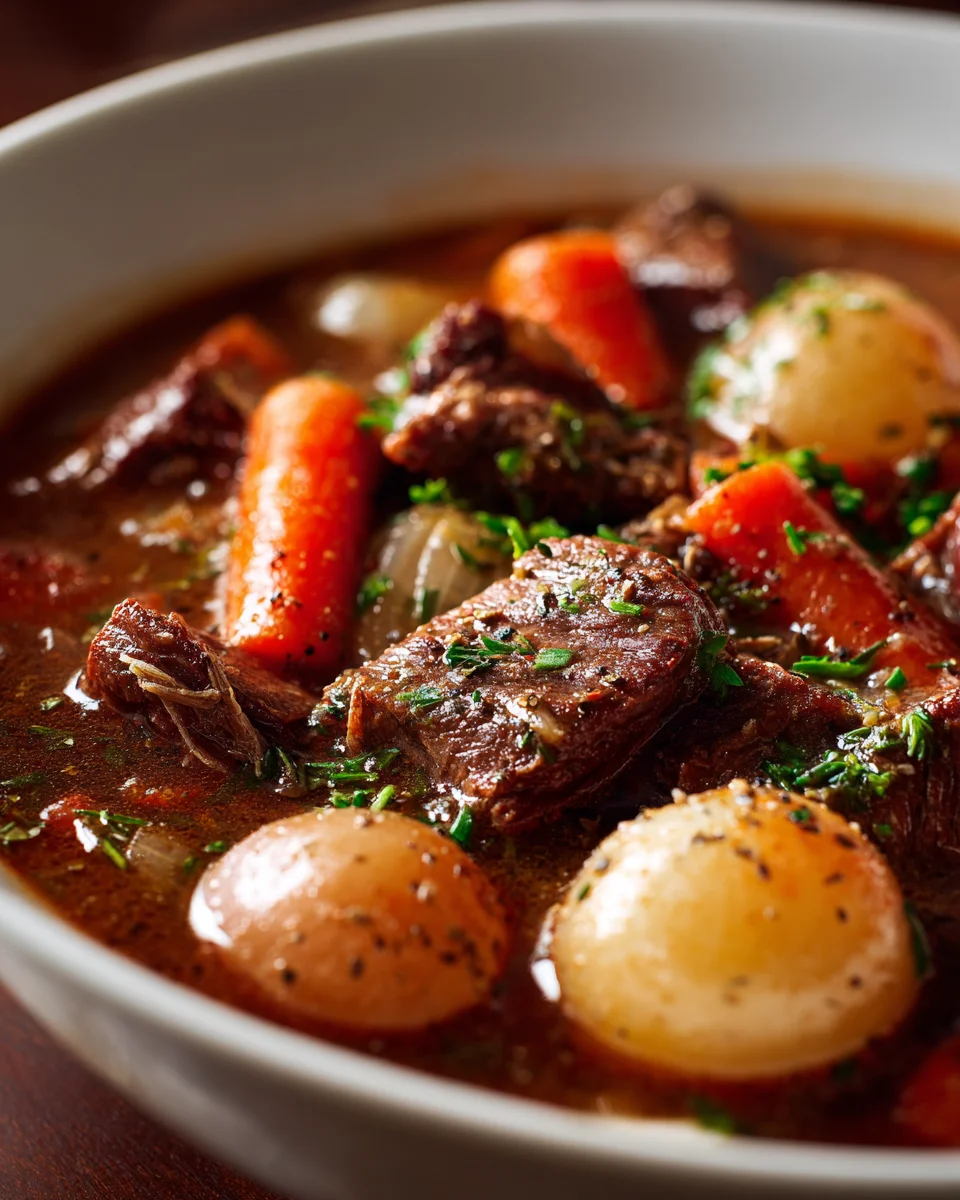
You are absolutely going to love this recipe because it delivers on every single promise of a hearty, satisfying meal. Imagine those soft carrots, tender potatoes, and sweet onions, each absorbing the amazing goodness of the robust, thick broth. It truly is a complete, one-pot wonder, bursting with wholesome, stick-to-your-ribs goodness that will leave you feeling utterly content. This dish is pure comfort food, a taste of home, and a guaranteed family favorite that will have everyone reaching for seconds. Get ready to experience the ultimate in comforting, old-fashioned flavor that’s definitely a substantial stew, not a thin soup!

Ingredient Notes
Oh, friends, let’s talk about the stars of our show – the ingredients that truly make this Mouthwatering Old Fashioned Beef Stew sing! Crafting a truly unforgettable stew starts with understanding the role each component plays. I’m going to guide you through my top picks and offer some smart substitutions to ensure your stew is always a triumph.
The Heart of the Stew: Beef
- Beef Chuck Roast: This is my absolute go-to for stew, and for good reason! Chuck roast, often labeled as “stew beef,” comes from the shoulder and is rich in collagen. This collagen breaks down beautifully during a long, slow simmer, transforming into gelatin that makes the beef incredibly tender and the stew wonderfully rich and silky. Look for a cut with good marbling for the best flavor and moisture.
- Substitutions: If chuck roast isn’t available, beef short ribs (boneless or bone-in for even more flavor), beef round (top or bottom), or even beef shank can work. Just be aware that leaner cuts like beef round might require a slightly longer cooking time to reach that melt-in-your-mouth tenderness.
The Aromatic Foundation
- Yellow Onions, Carrots, Celery (Mirepoix): These three humble vegetables are the backbone of flavor for so many savory dishes, and our beef stew is no exception. They release their sweet, earthy notes as they soften, building a delicious base layer. I like to chop them into roughly 1/2-inch pieces so they can stand up to the long cook time without completely disappearing.
- Garlic: A few cloves of fresh minced garlic are essential for that pungent, aromatic kick. It really elevates the depth of flavor in the stew.
The Liquid Gold
- Beef Broth: Choose a high-quality, low-sodium beef broth or beef stock. Since it forms the majority of our liquid, its flavor profile will shine through. Using low-sodium allows you to control the seasoning precisely.
- Tomato Paste: Don’t skip this! Just a tablespoon or two of concentrated tomato paste adds a wonderful umami depth and a subtle tang that balances the richness of the beef. It’s a secret weapon for amplifying savory flavors.
- Non-Alcoholic Depth: For that extra layer of complexity traditionally achieved with red wine, I often use a splash of good quality non-alcoholic red wine substitute, or even a small amount of unsweetened red grape juice combined with a dash of balsamic vinegar. These non-alcoholic alternatives mimic the acidity and fruitiness without the alcohol, enhancing the savory notes of the beef.
The Hearty Fillers
- Potatoes: Russet potatoes are fantastic as they break down slightly, helping to thicken the stew, while still holding their shape. Red potatoes or Yukon Golds also work well if you prefer them to stay firmer. Cut them into 1-inch chunks.
- Carrots: Beyond the mirepoix, I like to add larger chunks of carrots later in the cooking process. This provides beautiful color, texture, and a burst of sweet carrot flavor that’s still distinct.
- Optional additions: Towards the end of cooking, you might consider adding frozen peas or green beans for a pop of freshness and color.
Flavor Builders & Thickeners
- All-Purpose Flour: A dusting of flour on the beef helps create a beautiful crust when searing and acts as a thickening agent, ensuring a rich, comforting gravy.
- Herbs: Fresh or dried thyme and a bay leaf are classics for beef stew. Rosemary is another wonderful addition. They infuse the stew with an incredible aroma and earthy flavor.
- Salt and Black Pepper: Critical for seasoning throughout the cooking process. Taste and adjust as you go!
Step-by-Step Instructions
Crafting this Mouthwatering Old Fashioned Beef Stew is a labor of love, but each step builds incredible flavor. Follow along, and you’ll be rewarded with the most comforting meal!
- Prepare Your Beef: First, pat your cubed beef chuck roast thoroughly dry with paper towels. This is crucial for achieving a good sear! Season generously all over with salt and freshly ground black pepper. Then, dredge the beef lightly in a tablespoon or two of all-purpose flour, shaking off any excess.
- Sear the Beef: Heat a tablespoon of vegetable oil or olive oil in a large, heavy-bottomed Dutch oven or pot over medium-high heat. Working in batches to avoid overcrowding (this is important for browning, not steaming!), sear the beef on all sides until deeply browned and caramelized. This step creates incredible depth of flavor. Remove the seared beef to a plate and set aside.
- Sauté the Aromatics: Reduce the heat to medium. Add a little more oil if needed, then toss in your chopped onions, carrots, and celery. Sauté for 5-7 minutes, stirring occasionally, until they begin to soften and become fragrant. Add the minced garlic and cook for another minute until aromatic.
- Build the Flavor Base: Stir in the tomato paste and cook for 1-2 minutes, stirring constantly, until it darkens slightly and becomes fragrant. This concentrates its flavor.
- Deglaze and Add Liquids: Pour in your non-alcoholic red wine alternative or a splash of beef broth. Scrape up any browned bits from the bottom of the pot with a wooden spoon – that’s pure flavor! Add the rest of the beef broth, the seared beef (and any accumulated juices from the plate), bay leaf, and thyme. Bring the mixture to a gentle simmer.
- Low and Slow Simmer: Reduce the heat to low, cover the pot, and let your stew gently simmer for 1.5 to 2 hours, or until the beef is fork-tender. The longer it cooks, the more tender it will become!
- Add Remaining Vegetables: After the beef is tender, stir in the potato chunks and the larger carrot pieces. If your stew seems too thick at this point, you can add a little more beef broth or water. Continue to simmer, covered, for another 25-30 minutes, or until the potatoes and carrots are tender.
- Adjust Seasoning and Thicken (Optional): Taste the stew and adjust salt and pepper as needed. If you prefer a thicker stew, you can make a slurry by whisking a tablespoon of flour or cornstarch with an equal amount of cold water until smooth. Stir this into the simmering stew and cook for a few more minutes until thickened to your liking.
- Serve: Remove the bay leaf before serving. Ladle your Mouthwatering Old Fashioned Beef Stew into bowls. Garnish with fresh parsley if desired.
Tips & Suggestions
Making a truly Mouthwatering Old Fashioned Beef Stew isn’t just about following the steps; it’s about embracing a few key principles that elevate it from good to absolutely phenomenal. Here are my top tips and suggestions for making your stew shine!
- Don’t Skimp on the Beef: While a tougher cut like chuck roast is perfect, ensure it’s good quality. The better the beef, the richer the stew. Look for decent marbling, as that fat renders down and contributes immensely to flavor and tenderness.
- Sear for Serious Flavor: I cannot stress this enough – properly searing the beef is the single most important step for deep, complex flavor. Those browned bits on the bottom of the pot (fond) are pure magic. Don’t overcrowd the pot; sear in batches to get a beautiful crust, not steam the meat.
- Low and Slow is the Way: Patience is your friend! Beef stew thrives on a long, gentle simmer. This allows the collagen in the beef to break down slowly, resulting in that incredibly tender, fall-apart texture. Resist the urge to rush it; your taste buds will thank you.
- Layer Your Flavors: Add ingredients at the right time. Sautéing the aromatics (onions, carrots, celery, garlic) before adding liquids builds a strong flavor foundation. Adding tomato paste and cooking it for a moment concentrates its umami. Each step should contribute to the overall depth.
- Taste and Adjust: Always taste your stew at various stages, especially before serving. Seasoning is subjective, and you might need a little more salt, pepper, or even a splash more non-alcoholic red wine alternative or balsamic vinegar to balance the flavors.
- Make It Ahead: Old fashioned beef stew almost always tastes better the next day! The flavors have more time to meld and deepen. This makes it an ideal make-ahead meal for entertaining or busy weeknights.
- Serve It Right: This hearty stew is fantastic on its own, but it’s heavenly served with a hunk of crusty bread for soaking up every last drop of that rich gravy. It’s also wonderful over egg noodles, creamy mashed potatoes, or even a bed of fluffy rice.
- Vary Your Vegetables: While potatoes and carrots are traditional, feel free to experiment. Towards the end of cooking, you could add parsnips, turnips, or even some frozen peas or green beans for extra color and nutrition.
Storage
One of the best things about making a big batch of Mouthwatering Old Fashioned Beef Stew is how well it stores. In fact, I often think it tastes even better the next day as all those incredible flavors have more time to mingle and deepen!
- Refrigeration: Once your beef stew has cooled completely (I like to let it sit out for an hour or so, then transfer it to the fridge), transfer it to an airtight container. It will keep beautifully in the refrigerator for up to 3-4 days.
- Freezing: Beef stew freezes exceptionally well.
- Preparation: Allow the stew to cool completely.
- Packaging: Transfer it to freezer-safe airtight containers or heavy-duty freezer bags. If using bags, lay them flat for easier stacking and faster thawing. You can also portion it into individual servings for quick meals later.
- Duration: Properly stored, your frozen beef stew will maintain its quality for up to 3 months.
- Thawing: When you’re ready to enjoy it, simply transfer the frozen stew to the refrigerator the night before to thaw.
- Reheating: Reheat thawed stew gently on the stovetop over medium-low heat, stirring occasionally, until heated through. You might need to add a splash of beef broth or water if it’s too thick. If reheating from frozen, you can do so directly on the stovetop (it will take longer) or in the microwave, stirring frequently.
- Cooling Safely: Always cool your stew down quickly before refrigerating or freezing to prevent bacterial growth. Divide large batches into smaller containers to speed up the cooling process.
Final Thoughts
There’s truly nothing quite like the comforting aroma that fills your kitchen as this Mouthwatering Old Fashioned Beef Stew simmers away. I hope you’ve enjoyed every step of creating this deeply satisfying dish.
What makes Mouthwatering Old Fashioned Beef Stew truly special is its perfect balance of incredibly tender beef, robust root vegetables, and a rich, savory broth that has been carefully developed over time. It’s a meal that speaks of tradition, warmth, and genuine care, creating a hearty and nourishing experience for everyone at your table.
I wholeheartedly believe this recipe is a must-try because it delivers on every promise of a classic stew: deeply satisfying, wonderfully flavorful, and incredibly easy to make once you get started. It’s the kind of dish that warms you from the inside out, making any day feel a little cozier and a lot more delicious.
So, gather your loved ones, dish out a generous bowl, and savor the unforgettable flavors of your very own Mouthwatering Old Fashioned Beef Stew. I know you’ll be making this comforting classic again and again!
Best Mouthwatering Old Fashioned Beef Stew Recipe Ever!
- Total Time: 2 hours 20 minutes
- Yield: 6 servings 1x
Description
This Mouthwatering Old Fashioned Beef Stew is a comforting classic that brings warmth and nostalgia to your table. With tender beef and hearty vegetables simmered in a rich broth, it’s the ultimate one-pot meal for chilly days.
Ingredients
- 2 lbs Beef Chuck Roast, cubed
- Salt, to taste
- Black Pepper, to taste
- 1–2 tablespoons All-Purpose Flour
- 1 tablespoon Vegetable Oil or Olive Oil
- 2 Yellow Onions, chopped
- 3 Carrots, chopped
- 2 Celery stalks, chopped
- 3 cloves Garlic, minced
- 2 tablespoons Tomato Paste
- 4 cups Beef Broth (low-sodium)
- 1 splash Non-Alcoholic Red Wine Substitute or unsweetened red grape juice with balsamic vinegar
- 2–3 Russet Potatoes, cut into 1-inch chunks
- 2 larger Carrots, cut into chunks
- 1 Bay Leaf
- 1 teaspoon Fresh or Dried Thyme
- Optional: Frozen Peas or Green Beans
- Fresh Parsley, for garnish
Instructions
- Pat the cubed beef chuck roast dry with paper towels and season with salt and black pepper. Dredge lightly in flour, shaking off excess.
- Heat oil in a large Dutch oven over medium-high heat. Sear the beef in batches until browned on all sides, then remove to a plate.
- Reduce heat to medium and add more oil if needed. Sauté onions, carrots, and celery for 5-7 minutes until softened. Add minced garlic and cook for another minute.
- Stir in tomato paste and cook for 1-2 minutes until fragrant.
- Deglaze the pot with non-alcoholic red wine substitute or a splash of beef broth, scraping up browned bits. Add remaining beef broth, seared beef, bay leaf, and thyme. Bring to a gentle simmer.
- Cover and let simmer on low heat for 1.5 to 2 hours until beef is fork-tender.
- Stir in potato chunks and larger carrot pieces. Simmer for another 25-30 minutes until vegetables are tender.
- Taste and adjust seasoning as needed. For a thicker stew, whisk a tablespoon of flour or cornstarch with water and stir into the stew, cooking until thickened.
- Remove the bay leaf and serve in bowls, garnished with fresh parsley if desired.
- Prep Time: 20 mins
- Cook Time: 2 hours
- Category: Dinner
- Method: Stovetop
- Cuisine: American
Nutrition
- Serving Size: 1 bowl
- Calories: 450
- Sugar: 5 g
- Sodium: 600 mg
- Fat: 20 g
- Saturated Fat: 7 g
- Unsaturated Fat: 10 g
- Trans Fat: 0 g
- Carbohydrates: 35 g
- Fiber: 5 g
- Protein: 30 g
- Cholesterol: 80 mg
Keywords: Use good quality beef for the best flavor. Properly searing the beef is crucial for depth of flavor. This stew tastes even better the next day, making it great for meal prep.
Leave a Comment