


One rainy Saturday afternoon, I found myself in the kitchen, craving comfort food. As the droplets danced against the windowpane, I remembered the last time I savored a Korean Beef Belly Skillet Bowl at my favorite local spot. The rich aroma of marinated beef sizzling in the skillet, combined with the earthy scent of brown rice, wrapped around me like a warm hug. That moment ignited my passion to recreate this dish at home, and after a few tries, I finally perfected my own version.
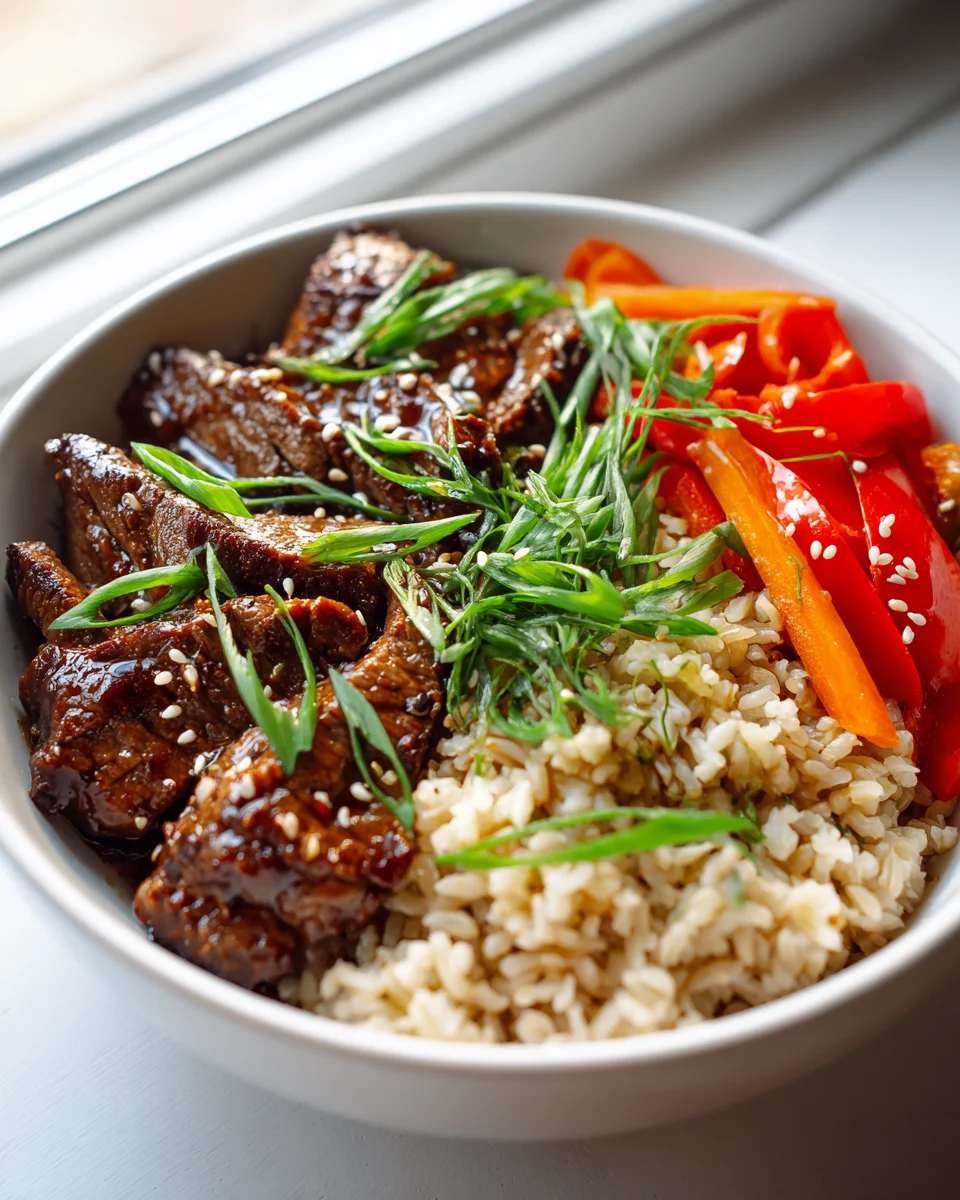
This dish is a feast for the senses. Picture tender strips of beef belly, caramelized to perfection, glistening with a savory-sweet glaze. The vibrant colors of fresh vegetables—crunchy carrots, crisp bell peppers, and green onions—pop against the rich, deep hues of the beef. As you take your first bite, the flavors meld together in a delightful harmony, with the slight nuttiness of brown rice providing the perfect base to soak it all up. It’s like a warm embrace on a chilly day.
What makes my recipe special is the balance of flavors. I use a homemade marinade that highlights the umami notes of soy sauce and a hint of sweetness, elevating the beef belly to a whole new level. Plus, the addition of fresh veggies adds that crunch we all crave. Now, let me show you exactly how to make this cozy, flavorful dish that will transport you straight to Korea with every bite.
Why You’ll Love This Recipe
- Rich and tender beef belly that melts in your mouth, combined with a delightful blend of sweet, spicy, and savory flavors.
- Ready in under 30 minutes using just one skillet, making it perfect for a quick weeknight dinner.
- Budget-friendly, utilizing simple ingredients that are easy to find at your local grocery store.
- Nutritious brown rice serves as a wholesome base, adding a nutty flavor and chewy texture that complements the beef beautifully.
- Customizable with a variety of vegetable options and toppings, allowing you to make each bowl uniquely yours.
Ingredients
- 1 lb (450g) beef belly, cut into bite-sized cubes
- 2 tablespoons soy sauce
- 1 tablespoon gochujang (Korean red chili paste)
- 1 tablespoon sesame oil
- 1 tablespoon honey
- 2 cloves garlic, minced
- 1 teaspoon ginger, grated
- 1 tablespoon vegetable oil (for frying)
- Salt and pepper to taste
- 1 teaspoon sesame seeds (for garnish)
- 2 green onions, sliced (for garnish)
- 1 cup brown rice
- 2 cups water
- Pinch of salt
- 1 cup broccoli florets
- 1 cup bell pepper, sliced (red or yellow)
- 1 cup carrots, julienned
- 1 tablespoon vegetable oil
- Salt and pepper to taste
- Kimchi (optional)
- Sliced radishes (optional)
- Fried egg (1 per bowl, optional)
Let’s talk about some of the key ingredients that make this Korean Beef Belly Skillet Bowl so special. First up, the beef belly. This cut is known for its rich marbling, which renders down during cooking to create a tender, juicy texture that practically melts in your mouth. When selecting beef belly, look for a piece with even marbling; this will ensure a flavorful dish. If you can’t find beef belly, you can substitute it with short rib or even a fattier cut of flank steak, though the texture will differ slightly.
Next is gochujang, the star of the flavor profile. This Korean red chili paste adds a unique blend of heat and sweetness, elevating the dish from ordinary to extraordinary. If you’re in a pinch, you can mix red chili flakes with a bit of honey to create a substitute, but the depth of flavor won’t be quite the same. Lastly, sesame oil offers a nutty aroma and enhances the overall taste. Make sure to use toasted sesame oil for the best flavor, and if you’re looking for a lighter option, you could drizzle a bit of olive oil instead, though it won’t have the same distinctive taste.
Step-by-Step Instructions
- Start by cooking the brown rice. In a medium saucepan, combine 1 cup of brown rice, 2 cups of water, and a pinch of salt. Bring it to a boil over medium-high heat. Once boiling, reduce the heat to low, cover, and let it simmer for about 40-45 minutes, or until the rice is tender and the water is absorbed. Be sure to check occasionally to prevent burning.
- While the rice is cooking, prepare the beef belly. In a large skillet, heat 1 tablespoon of vegetable oil over medium-high heat. Once the oil is shimmering, add the beef belly cubes. Sear them for about 5-7 minutes, or until they are golden brown on all sides. Avoid overcrowding the pan; if necessary, do this in batches for an even sear.
- Once the beef is browned, add the minced garlic and grated ginger to the skillet. Stir frequently for about 1-2 minutes, or until fragrant. Be careful not to let the garlic burn, as it can impart a bitter flavor to the dish.
- In a small bowl, whisk together the soy sauce, gochujang, sesame oil, and honey. Pour this mixture over the beef belly in the skillet. Stir well to coat the beef evenly. Let it simmer for another 5 minutes, allowing the sauce to thicken slightly and the beef to absorb the flavors.
- Meanwhile, prepare the vegetables. In a separate skillet, heat another tablespoon of vegetable oil over medium heat. Add the broccoli, bell peppers, and carrots. Season with salt and pepper, and sauté for about 5-7 minutes, or until the vegetables are tender but still crisp. You want them to retain some texture, so avoid overcooking.
- Once everything is cooked, it’s time to assemble your bowls. Fluff the brown rice with a fork and divide it evenly among serving bowls. Top each bowl with the beef belly mixture and a generous portion of sautéed vegetables.
- For a finishing touch, garnish each bowl with a sprinkle of sesame seeds and sliced green onions. If desired, add optional toppings like kimchi, sliced radishes, or a fried egg on top for extra richness.
Pro Tips for the Best Korean Beef Belly Skillet Bowl With Brown Rice
- Don’t rush the searing of the beef. A good caramelization will deepen the flavor of your dish, so allow the beef to develop a crust before stirring it.
- Invest in a heavy-bottomed skillet; it distributes heat evenly and helps avoid hot spots, ensuring that your beef cooks uniformly.
- When measuring your gochujang, start with a little and adjust to your taste preference. Some brands are spicier than others, so it’s best to tailor the heat level to your liking.
- Common mistake: Overcooking the vegetables can lead to mushiness. Aim for vibrant colors and a tender-crisp texture by keeping a close eye on them while sautéing.
- For a creamy texture, consider adding a dollop of sour cream or yogurt as a topping; it balances the spiciness of the gochujang and enhances the overall dish.
Variations & Serving Ideas
There are plenty of ways to customize your Korean Beef Belly Skillet Bowl. For a lighter option, try swapping out beef belly for grilled chicken or tofu, which still absorbs the delicious sauce while being leaner. If you’re looking for a seasonal twist, add sautéed zucchini or asparagus in the spring or roasted sweet potatoes in the fall for a different flavor profile. You can also experiment with different sauces, such as teriyaki, for a fusion spin.
As for sides, serve this dish with a refreshing cucumber salad tossed in rice vinegar, which contrasts nicely with the richness of the beef. Steamed edamame sprinkled with sea salt makes for a protein-packed snack, while a simple miso soup can round out the meal beautifully, providing warmth and a umami punch that complements the bowl.
Storage, Make-Ahead & Reheating
This Korean Beef Belly Skillet Bowl is perfect for meal prep! Store any leftovers in an airtight container in the refrigerator for up to 3 days. It can also be frozen for up to 3 months. To freeze, portion out the beef and rice separately to maintain texture. When you’re ready to enjoy it, thaw in the refrigerator overnight and reheat on the stovetop over low heat until warmed through, about 5-7 minutes. Interestingly, the flavors tend to deepen as they sit, making the dish taste even better the next day!
Frequently Asked Questions
Can I make Korean Beef Belly Skillet Bowl With Brown Rice ahead of time?
Yes — in fact, it tastes even better the next day! The flavors meld beautifully as it sits. Just store the components separately and assemble when ready to serve for the best texture.
How do I make this dish gluten-free?
To make this recipe gluten-free, substitute soy sauce with tamari or a gluten-free soy sauce alternative. Ensure that the gochujang brand you choose is gluten-free as well.
Can I use white rice instead of brown rice?
Absolutely! White rice will cook faster, so adjust the cooking time accordingly. It usually takes about 15-20 minutes to cook white rice, so ensure it’s ready when you start preparing the beef and veggies.
What can I use instead of gochujang?
If you can’t find gochujang, you can mix red chili flakes with a bit of honey or brown sugar for sweetness. However, the flavor won’t be exactly the same, so consider this as a last resort.
Can I use other vegetables in this recipe?
Yes! Feel free to switch up the vegetables based on what’s in season or what you have on hand. Snap peas, zucchini, or even baby spinach can work well and add a fresh touch to the bowl.
Final Thoughts
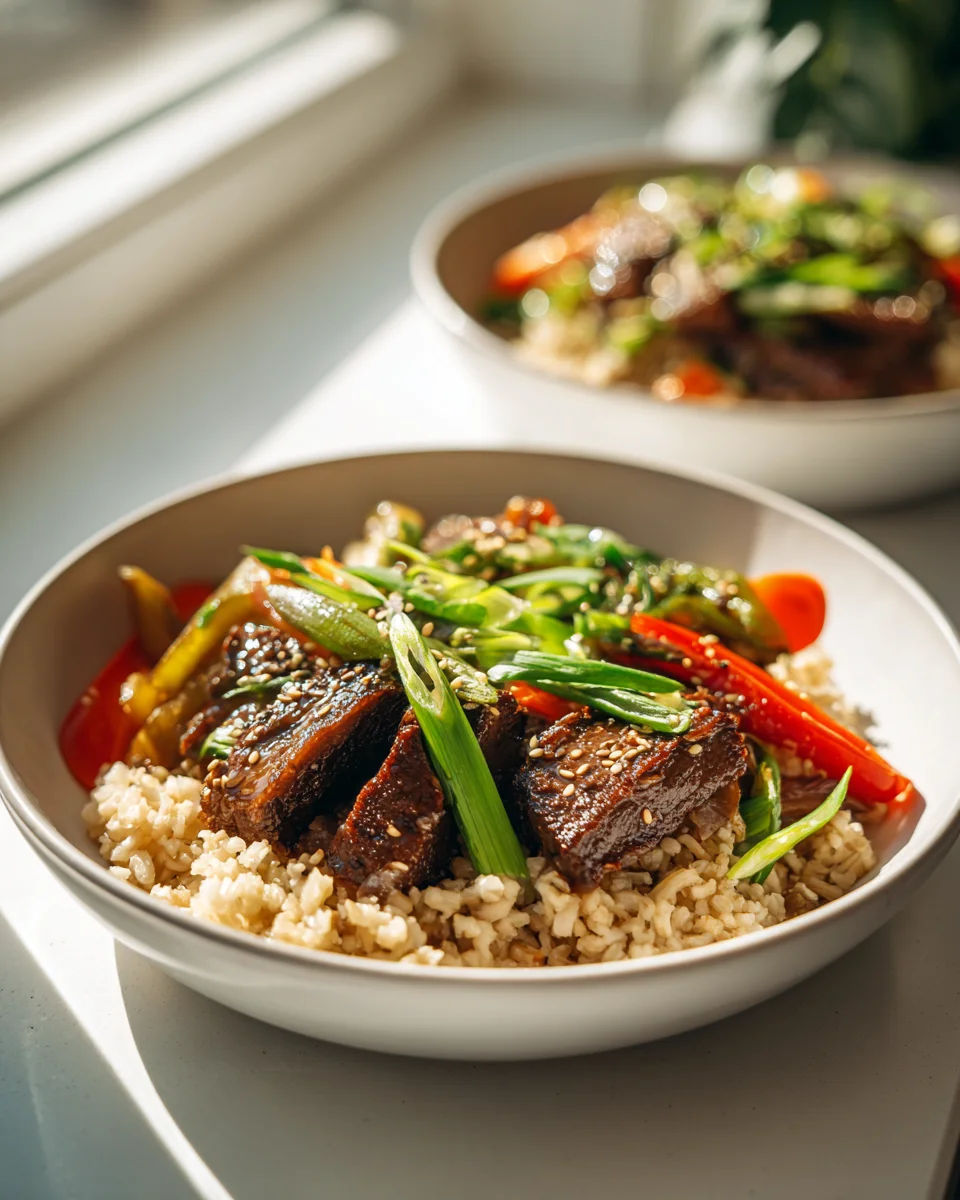
The Korean Beef Belly Skillet Bowl with Brown Rice is a delightful fusion of flavors that truly satisfies. The tender, savory beef belly paired with the nutty brown rice creates a comforting meal that you’ll want to savor time and again.
This is the kind of recipe I come back to again and again, especially when I’m craving something hearty yet full of vibrant tastes. The quick preparation and the ability to customize with your favorite vegetables make it a go-to for busy weeknights or special gatherings.
I encourage you to try this dish for yourself! Don’t hesitate to share your results or add your own twist to make it uniquely yours. Happy cooking!
Savory Korean Beef Belly Rice Bowl
- Total Time: 45 minutes
- Yield: 4 servings 1x
Description
This Korean Beef Belly Rice Bowl features tender beef belly marinated in a savory-sweet sauce, served over nutty brown rice and fresh vegetables. It’s a comforting dish that brings the flavors of Korea right to your kitchen.
Ingredients
- 1 lb (450g) beef belly, cut into bite-sized cubes
- 2 tablespoons soy sauce
- 1 tablespoon gochujang (Korean red chili paste)
- 1 tablespoon sesame oil
- 1 tablespoon honey
- 2 cloves garlic, minced
- 1 teaspoon ginger, grated
- 1 tablespoon vegetable oil (for frying)
- Salt and pepper to taste
- 1 teaspoon sesame seeds (for garnish)
- 2 green onions, sliced (for garnish)
- 1 cup brown rice
- 2 cups water
- Pinch of salt
- 1 cup broccoli florets
- 1 cup bell pepper, sliced (red or yellow)
- 1 cup carrots, julienned
- 1 tablespoon vegetable oil
- Salt and pepper to taste
- Kimchi (optional)
- Sliced radishes (optional)
- Fried egg (1 per bowl, optional)
Instructions
- Start by cooking the brown rice. In a medium saucepan, combine 1 cup of brown rice, 2 cups of water, and a pinch of salt. Bring it to a boil over medium-high heat. Once boiling, reduce the heat to low, cover, and let it simmer for about 40-45 minutes, or until the rice is tender and the water is absorbed. Be sure to check occasionally to prevent burning.
- While the rice is cooking, prepare the beef belly. In a large skillet, heat 1 tablespoon of vegetable oil over medium-high heat. Once the oil is shimmering, add the beef belly cubes. Sear them for about 5-7 minutes, or until they are golden brown on all sides. Avoid overcrowding the pan; if necessary, do this in batches for an even sear.
- Once the beef is browned, add the minced garlic and grated ginger to the skillet. Stir frequently for about 1-2 minutes, or until fragrant. Be careful not to let the garlic burn, as it can impart a bitter flavor to the dish.
- In a small bowl, whisk together the soy sauce, gochujang, sesame oil, and honey. Pour this mixture over the beef belly in the skillet. Stir well to coat the beef evenly. Let it simmer for another 5 minutes, allowing the sauce to thicken slightly and the beef to absorb the flavors.
- Meanwhile, prepare the vegetables. In a separate skillet, heat another tablespoon of vegetable oil over medium heat. Add the broccoli, bell peppers, and carrots. Season with salt and pepper, and sauté for about 5-7 minutes, or until the vegetables are tender but still crisp. You want them to retain some texture, so avoid overcooking.
- Once everything is cooked, it's time to assemble your bowls. Fluff the brown rice with a fork and divide it evenly among serving bowls. Top each bowl with the beef belly mixture and a generous portion of sautéed vegetables.
- For a finishing touch, garnish each bowl with a sprinkle of sesame seeds and sliced green onions. If desired, add optional toppings like kimchi, sliced radishes, or a fried egg on top for extra richness.
- Prep Time: 15 min
- Cook Time: 30 min
- Category: Dinner
- Method: Skillet
- Cuisine: Korean
Nutrition
- Serving Size: 1 bowl
- Calories: 600
- Sugar: 10 g
- Sodium: 800 mg
- Fat: 30 g
- Saturated Fat: 10 g
- Unsaturated Fat: 15 g
- Trans Fat: 0 g
- Carbohydrates: 60 g
- Fiber: 5 g
- Protein: 35 g
- Cholesterol: 80 mg
Keywords: Don’t rush the searing of the beef for better caramelization. Use a heavy-bottomed skillet for even heat distribution, and avoid overcooking the vegetables to maintain their texture.
Leave a Comment