

Coconut Chicken
Oh, prepare yourselves, because I’m about to share one of my absolute favorite ways to transform simple chicken into something truly extraordinary: Coconut Chicken! What makes this recipe so incredibly special, you ask? It’s that magical marriage of succulent, tender chicken with the rich, creamy, and subtly sweet embrace of coconut milk. This isn’t just another chicken dish; it’s a journey for your taste buds, transporting you straight to a tropical paradise with every single bite.

I genuinely believe you’re going to fall head over heels for this recipe. It’s incredibly approachable for any home cook, yet it delivers a flavor profile that feels utterly gourmet. It’s the kind of dish that warms you from the inside out, offering comfort while still being wonderfully vibrant and fresh. Plus, it’s a fantastic way to break free from your usual dinner routine and infuse some exotic flair into your weeknight meals.
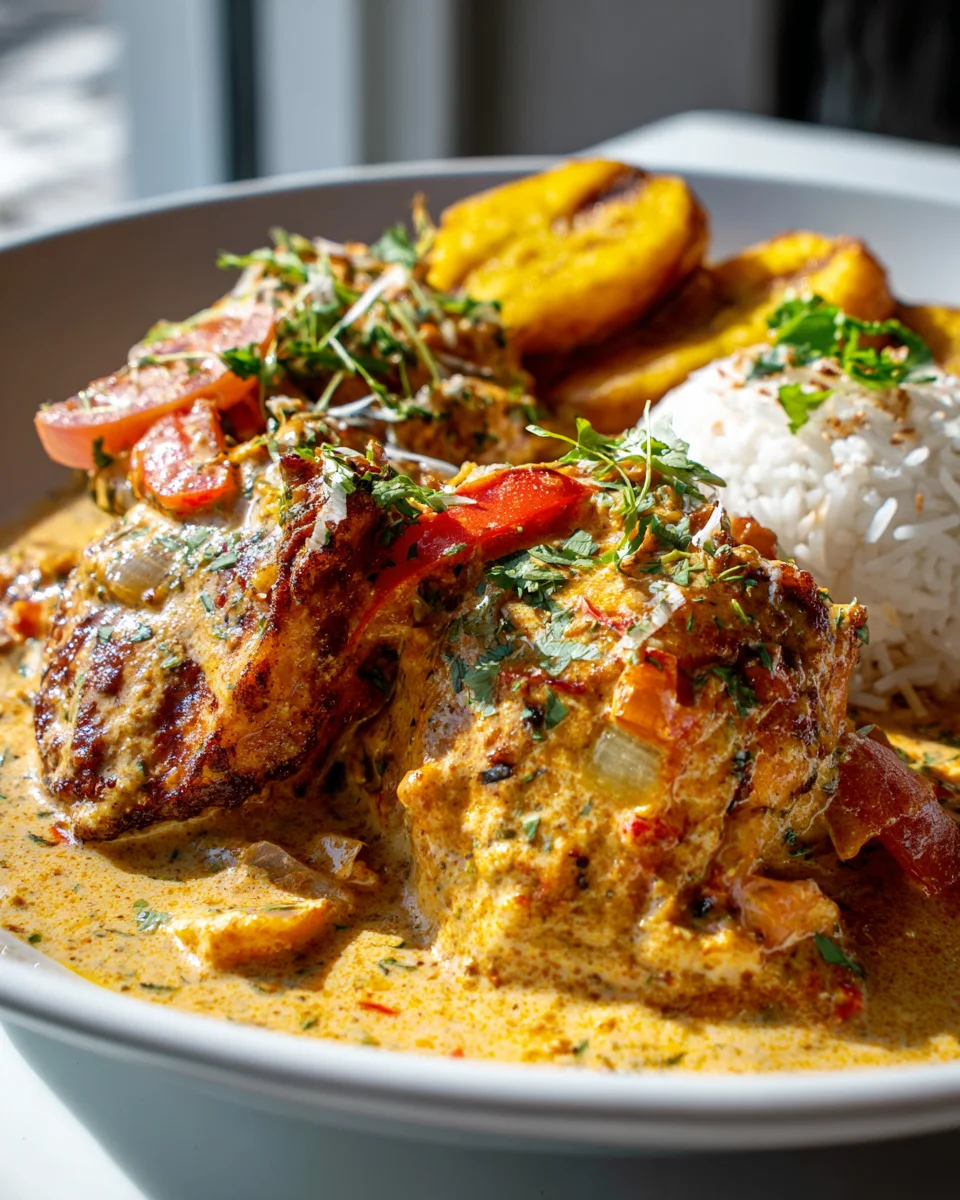
So, what exactly are we getting into? Imagine tender pieces of chicken, lovingly simmered until fork-tender, swimming in a luxurious, velvety coconut milk sauce. This sauce is typically infused with fragrant aromatics like fresh ginger and garlic, creating a complex and deeply satisfying flavor that perfectly complements the mild sweetness of the coconut. It’s creamy, aromatic, and absolutely irresistible – a true testament to how simple ingredients can create something truly spectacular!
Ingredient Notes
Crafting the perfect Coconut Chicken starts with selecting the right ingredients. I’ve found that the quality of what goes into your pot truly shines through in the final dish. Here’s a breakdown of the key players and how you can adapt them to your pantry or preferences.
Chicken
- Chicken Thighs: I almost always opt for boneless, skinless chicken thighs for this recipe. They stay incredibly juicy and tender during simmering, absorbing all those beautiful coconut flavors without drying out. Their rich texture is just fantastic in a saucy dish like this.
- Substitution: If you prefer a leaner option, boneless, skinless chicken breasts work well too. Just be mindful not to overcook them, as they can dry out more easily. I recommend cutting them into slightly larger chunks to help retain moisture.
Coconut Milk
- Full-Fat Coconut Milk: This is non-negotiable for me when I want that rich, creamy, and truly luxurious texture that defines a great Coconut Chicken. The fat content carries the flavors wonderfully and creates an incredible mouthfeel for the sauce. Look for a good quality brand that doesn’t have too many stabilizers or additives.
- Substitution: While I highly recommend full-fat, if you’re looking to reduce calories, you can use light coconut milk. Just be aware that the sauce will be thinner and less rich. You might also want to add a tiny bit of cornstarch slurry at the end if you desire a thicker consistency.
Aromatics & Spices
- Fresh Ginger: The pungent warmth of fresh ginger is crucial here. I love grating it or mincing it finely to ensure it disperses evenly throughout the sauce.
- Fresh Garlic: Similar to ginger, fresh garlic provides a foundational layer of flavor. Don’t skimp on it!
- Onion: A standard yellow or white onion, finely diced, provides a sweet and savory base.
- Chili (Fresh or Flakes): Depending on your heat preference, you can use a fresh red chili (like a bird’s eye chili for a kick) or a pinch of dried red pepper flakes. I usually start with a little and add more if I’m feeling adventurous!
- Curry Powder (or Red Curry Paste): While some versions of Coconut Chicken use red curry paste, I often find a good quality mild curry powder gives a lovely, aromatic depth without overpowering the delicate coconut flavor. If using curry paste, just a tablespoon or two can go a long way.
Flavor Enhancers
- Lime Juice: A squeeze of fresh lime juice at the end is like magic! It brightens the whole dish, cutting through the richness of the coconut milk and adding a delightful tang. Don’t skip this step!
- Fish Sauce: This might seem intimidating if you’re new to it, but fish sauce adds incredible umami and savory depth without making the dish taste “fishy.” It’s a foundational ingredient in many Southeast Asian-inspired dishes.
- Brown Sugar (or Palm Sugar): A touch of sweetness helps balance the savory, spicy, and sour notes, creating a wonderfully harmonious flavor profile. Palm sugar offers a slightly more caramel-like depth if you can find it.
- Fresh Cilantro: A generous sprinkle of fresh cilantro just before serving adds a burst of freshness and color. If you’re not a fan, fresh basil or mint can be interesting alternatives, but cilantro is my top pick.
Step-by-Step Instructions
Making Coconut Chicken is surprisingly straightforward, and the result is a comforting, flavorful dish that feels a lot more complex than it is. Follow these steps, and you’ll have a delicious meal ready in no time!
Prep Time: 15 minutes | Cook Time: 30-35 minutes | Serves: 4
- Prepare the Chicken: Take your boneless, skinless chicken thighs (or breasts) and pat them dry with paper towels. Cut them into 1 to 1.5-inch pieces. This ensures even cooking and allows them to absorb all the delicious flavors. Season the chicken pieces generously with a pinch of salt and black pepper.
- Sauté Aromatics: Heat about 1 tablespoon of cooking oil (like coconut oil or a neutral vegetable oil) in a large skillet or Dutch oven over medium heat. Add your finely diced onion and cook for 3-5 minutes until it softens and becomes translucent. Stir in the minced garlic, grated ginger, and any fresh chili you’re using. Cook for another 1-2 minutes until fragrant, being careful not to burn the garlic.
- Toast Spices: Add your curry powder (or curry paste) to the skillet with the aromatics. Stir well and cook for about 1 minute, allowing the spices to bloom and release their aromas. This step really brings out their full flavor potential.
- Sear the Chicken: Increase the heat to medium-high. Add the seasoned chicken pieces to the skillet in a single layer if possible. Sear them for 3-4 minutes per side until they are lightly browned. You don’t need to cook them through at this stage; we’re just building flavor and creating a nice crust. Remove the chicken from the pan and set aside.
- Simmer the Sauce: Pour the full-fat coconut milk into the skillet, scraping up any browned bits from the bottom of the pan – these are packed with flavor! Add the fish sauce and brown sugar. Stir everything together until the sugar dissolves. Bring the mixture to a gentle simmer.
- Return Chicken & Cook: Return the seared chicken pieces to the skillet, ensuring they are mostly submerged in the sauce. Reduce the heat to low, cover the skillet, and let it simmer gently for 15-20 minutes, or until the chicken is cooked through and tender. The sauce should also thicken slightly during this time.
- Finishing Touches: Once the chicken is cooked, remove the skillet from the heat. Stir in the fresh lime juice. Taste the sauce and adjust seasonings as needed – perhaps a little more fish sauce for savoriness, more sugar for sweetness, or lime for tang.
- Serve: Ladle the Coconut Chicken into bowls and garnish generously with fresh cilantro. Serve immediately with fluffy steamed rice, rice noodles, or a side of your favorite stir-fried vegetables. Enjoy your delicious, homemade Coconut Chicken!
Tips & Suggestions
I’ve made Coconut Chicken countless times, and I’ve picked up a few tricks along the way to ensure it turns out perfectly every single time. Here are my top tips and suggestions to help you master this delightful dish:
- Don’t Boil Your Coconut Milk Vigorously: When simmering the sauce, keep the heat low and maintain a gentle simmer. High heat can cause the coconut milk to “split” or separate, resulting in an oily, less appealing sauce. A gentle gurgle is what you’re aiming for.
- Taste and Adjust Seasoning: This is probably my most important tip for any recipe! Flavors can vary based on your ingredients. Always taste the sauce before serving and adjust the balance. Does it need more saltiness (fish sauce)? More sweetness (sugar)? More acidity (lime juice)? Or perhaps a little extra kick from chili? Don’t be shy about fine-tuning it to your preference.
- Quality Coconut Milk Matters: As mentioned in the ingredient notes, a good quality, full-fat coconut milk makes a significant difference. It provides the creamy base and rich texture that really elevates the dish. If your coconut milk has a thick, creamy layer on top, you can sometimes scoop that off and use it to sear the chicken for extra flavor and richness.
- Marination for Extra Flavor (Optional): If you have an extra 20-30 minutes, or even overnight, you can marinate the chicken pieces in a tablespoon of fish sauce, a squeeze of lime, and a pinch of salt and pepper before searing. This isn’t strictly necessary but can deepen the flavor of the chicken itself.
- Serve with the Right Accompaniments: Coconut Chicken pairs beautifully with simple, starchy sides that can soak up the rich sauce. My go-to is jasmine rice, but brown rice, quinoa, or even rice noodles are excellent choices. For a complete meal, consider adding some steamed or lightly sautéed green vegetables like broccoli, spinach, or green beans.
- Vary Your Vegetables: While I keep this recipe focused on chicken, you can easily add vegetables for more texture and nutrition. Sliced bell peppers, snap peas, bamboo shoots, or baby corn can be added during the last 5-10 minutes of simmering. Leafy greens like spinach can be stirred in right at the end until wilted.
- Spice Level Control: If you’re sensitive to heat, omit the fresh chili or chili flakes entirely. If you love spice, feel free to add more, or even serve extra fresh chopped chilies on the side for those who want to kick it up a notch.
Storage
One of the best things about Coconut Chicken is how wonderfully it stores and even improves in flavor the next day! Here’s how I handle leftovers to keep them delicious and safe.
Refrigeration
- Cool Down Quickly: Once you’ve finished enjoying your meal, allow any leftover Coconut Chicken to cool down to room temperature as quickly as possible, ideally within an hour or two. Don’t leave it out on the counter for too long.
- Airtight Container: Transfer the cooled chicken and sauce into a clean, airtight container. This prevents air exposure, which can lead to spoilage and absorb odors from your fridge.
- Shelf Life: Stored properly in the refrigerator, Coconut Chicken will stay fresh and delicious for 3 to 4 days. I often find the flavors meld even more beautifully overnight, making leftovers a real treat!
- Reheating: When you’re ready to enjoy it again, reheat the Coconut Chicken gently on the stovetop over medium-low heat, stirring occasionally until warmed through. You might need to add a splash of water or chicken broth if the sauce has thickened too much in the fridge. You can also microwave individual portions in a microwave-safe dish, stirring halfway through to ensure even heating. Make sure it’s piping hot all the way through before serving.
Freezing
- Freezer-Friendly: Yes, Coconut Chicken freezes quite well! It’s a great dish for meal prepping.
- Preparation for Freezing: Allow the dish to cool completely. Divide it into individual or family-sized portions, depending on how you plan to use it. Place each portion into a freezer-safe, airtight container or heavy-duty freezer bag. If using bags, squeeze out as much air as possible to prevent freezer burn.
- Labeling: Always label your containers or bags with the date you prepared the dish. This helps you keep track of its freshness.
- Freezer Life: Properly frozen Coconut Chicken can maintain its quality for up to 2-3 months. Beyond that, it’s still safe to eat but might start to lose some of its flavor and texture.
- Thawing and Reheating: When you’re ready to eat, transfer the frozen Coconut Chicken to the refrigerator to thaw overnight. Once thawed, reheat it on the stovetop over medium-low heat, stirring gently, until it’s hot throughout. Again, you might need to add a tiny bit of liquid to loosen the sauce. Avoid re-freezing any portions that have been thawed.
Final Thoughts
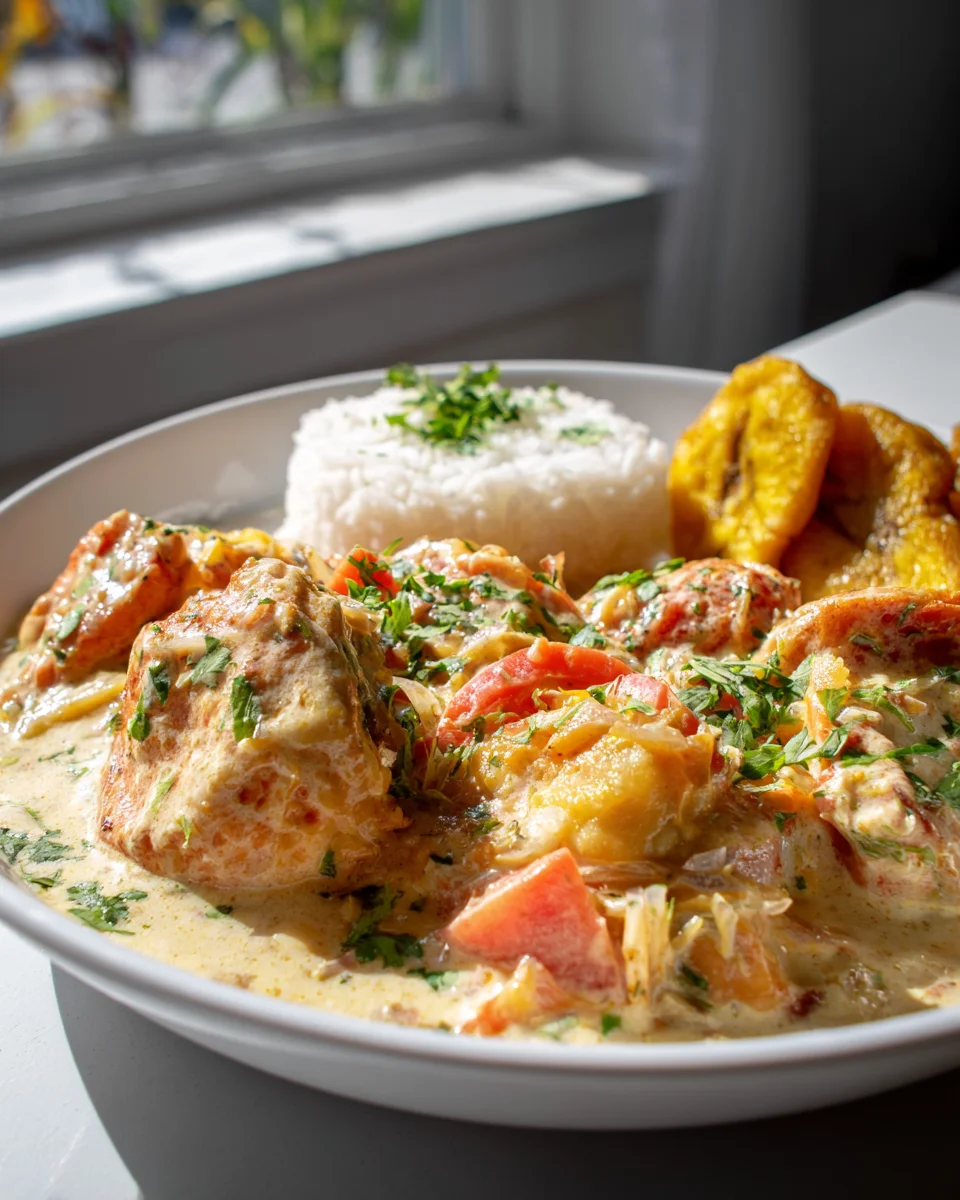
And there you have it! I truly hope you’re feeling inspired to try this incredible dish. This Coconut Chicken isn’t just another meal; it’s a delightful experience waiting to happen in your kitchen. The way the tender chicken soaks up the rich, creamy coconut flavors, perfectly balanced with aromatic spices, creates something truly special. It’s that perfect blend of exotic comfort food that will transport your taste buds to a sun-drenched paradise, right from your own dinner table.
So, don’t hesitate. Give this Coconut Chicken a place on your culinary rotation soon. I promise you’ll be delighted by its unique aroma and unforgettable taste. It’s a dish that’s easy to love and even easier to make a cherished staple!
Tender Coconut Chicken: An Irresistible Dinner Recipe
- Total Time: 1 minute
- Yield: 4 servings 1x
Description
Transform simple chicken into something extraordinary with this Coconut Chicken recipe! Experience the rich, creamy, and subtly sweet embrace of coconut milk in a comforting dish that will transport your taste buds to a tropical paradise.
Ingredients
- 4 boneless, skinless chicken thighs (or breasts)
- 1 tablespoon cooking oil (like coconut oil or neutral vegetable oil)
- 1 onion, finely diced
- 3–4 cloves fresh garlic, minced
- 1 tablespoon fresh ginger, grated
- 1 fresh red chili (or a pinch of dried red pepper flakes)
- 1–2 tablespoons curry powder (or red curry paste)
- 1 can full-fat coconut milk
- 1 tablespoon fish sauce
- 1 tablespoon brown sugar (or palm sugar)
- Juice of 1 lime
- Fresh cilantro, for garnish
Instructions
- Prepare the Chicken: Take your boneless, skinless chicken thighs (or breasts) and pat them dry with paper towels. Cut them into 1 to 1.5-inch pieces. Season the chicken pieces generously with a pinch of salt and black pepper.
- Sauté Aromatics: Heat about 1 tablespoon of cooking oil in a large skillet or Dutch oven over medium heat. Add your finely diced onion and cook for 3-5 minutes until it softens and becomes translucent. Stir in the minced garlic, grated ginger, and any fresh chili you're using. Cook for another 1-2 minutes until fragrant.
- Toast Spices: Add your curry powder (or curry paste) to the skillet with the aromatics. Stir well and cook for about 1 minute, allowing the spices to bloom and release their aromas.
- Sear the Chicken: Increase the heat to medium-high. Add the seasoned chicken pieces to the skillet in a single layer if possible. Sear them for 3-4 minutes per side until they are lightly browned. Remove the chicken from the pan and set aside.
- Simmer the Sauce: Pour the full-fat coconut milk into the skillet, scraping up any browned bits from the bottom of the pan. Add the fish sauce and brown sugar. Stir everything together until the sugar dissolves. Bring the mixture to a gentle simmer.
- Return Chicken & Cook: Return the seared chicken pieces to the skillet, ensuring they are mostly submerged in the sauce. Reduce the heat to low, cover the skillet, and let it simmer gently for 15-20 minutes, or until the chicken is cooked through and tender.
- Finishing Touches: Once the chicken is cooked, remove the skillet from the heat. Stir in the fresh lime juice. Taste the sauce and adjust seasonings as needed.
- Serve: Ladle the Coconut Chicken into bowls and garnish generously with fresh cilantro. Serve immediately with fluffy steamed rice, rice noodles, or a side of your favorite stir-fried vegetables.
- Prep Time: 15 mins
- Cook Time: 30-35 mins
- Category: Dinner
- Method: Simmering
- Cuisine: Southeast Asian
Nutrition
- Serving Size: 1 bowl
- Calories: 450
- Sugar: 6 g
- Sodium: 800 mg
- Fat: 30 g
- Saturated Fat: 20 g
- Unsaturated Fat: 8 g
- Trans Fat: 0 g
- Carbohydrates: 10 g
- Fiber: 2 g
- Protein: 30 g
- Cholesterol: 100 mg
Keywords: Don't boil your coconut milk vigorously; keep the heat low to maintain a gentle simmer. Always taste the sauce before serving and adjust the balance of flavors to your preference. A good quality, full-fat coconut milk makes a significant difference in flavor and texture.
Leave a Comment