

Gochujang Pasta

Are you ready to meet your new obsession? I’m absolutely thrilled to share the recipe for Gochujang Pasta with you, because trust me, this dish is a total game-changer. It’s where the comforting embrace of Italian pasta gets a vibrant, unforgettable kick from the bold, savory, and slightly sweet Korean chili paste, gochujang. What makes this recipe so incredibly special is how it beautifully marries two culinary worlds, creating a flavor profile that is both excitingly new and deeply comforting. I promise, once you take that first forkful of this rich, umami-packed delight, you’ll understand exactly why readers like you are going to fall head over heels for it. It’s the perfect answer for those weeknights when you’re craving something truly satisfying, full of character, and wonderfully unique. Imagine perfectly cooked pasta coated in a luscious, fiery gochujang sauce, often featuring tender pieces of savory beef, maybe a hint of non-alcohol cooking wine for added depth, all coming together in a symphony of flavors that will awaken your taste buds. Get ready to dive into pure deliciousness!
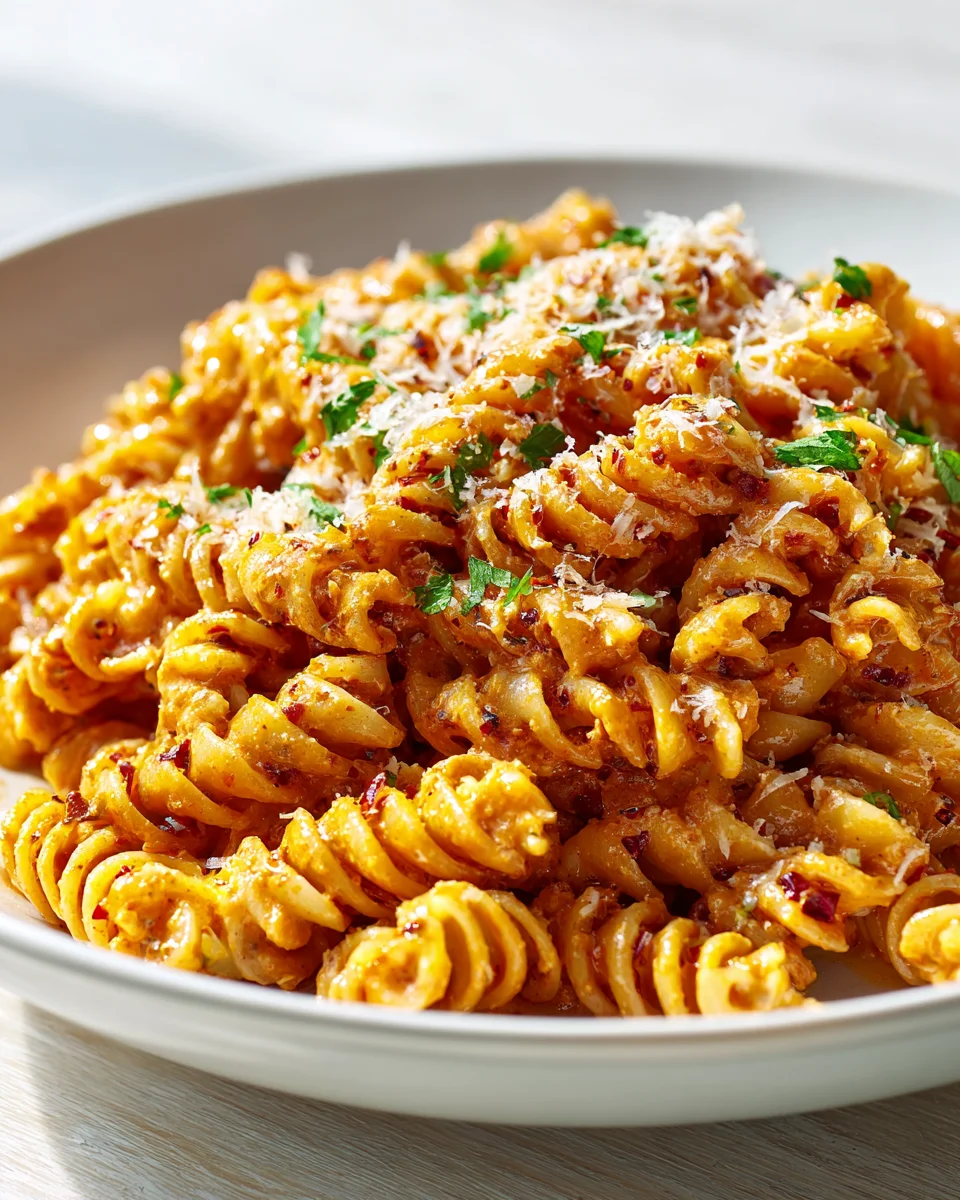
Welcome to my kitchen, fellow food enthusiasts! Today, I’m thrilled to share one of my absolute favorite fusion dishes: Gochujang Pasta. It’s a dish that beautifully marries the rich, spicy, and savory depth of Korean gochujang with the comforting familiarity of Italian pasta. This isn’t just any pasta dish; it’s an explosion of flavor that’s both wonderfully unique and incredibly satisfying. The vibrant red pepper paste brings a fantastic kick and a subtle sweetness, balanced perfectly with creamy elements and savory beef. It’s surprisingly easy to make, yet impressive enough for any meal. Get ready to ditch your usual pasta sauce and dive into something truly special!
Ingredient Notes
To whip up this incredible Gochujang Pasta, we’re going to focus on a few key ingredients that bring this dish to life. Getting these right will ensure that authentic Korean-Italian fusion flavor we’re aiming for.
- Gochujang: This is the undisputed star of our show! Gochujang is a Korean fermented chili paste, offering a complex profile of spicy, sweet, and savory notes. Don’t be shy with it, but do taste as you go to adjust the heat to your preference. It’s widely available in Asian supermarkets and even many conventional grocery stores now. There isn’t a direct substitute that captures its unique fermented depth, so I highly recommend seeking it out.
- Pasta: The beauty of pasta is its versatility! I often use spaghetti or linguine because their long strands do an excellent job of coating themselves in the rich sauce. However, feel free to use your favorite shape – penne, rigatoni, or even fettuccine would work wonderfully here, cradling the sauce beautifully. Just ensure you cook it al dente, as it will continue to cook slightly when tossed with the hot sauce.
- Minced Beef: For a hearty and savory base, I love using lean minced beef. It browns beautifully and absorbs all the fantastic flavors of the sauce. If you prefer, you can certainly substitute with ground chicken, shrimp, or even sliced mushrooms or firm tofu for a vegetarian option. Just remember to season your chosen protein well!
- Aromatics: We’re talking about finely diced onion and minced garlic. These are the unsung heroes that build the foundational layers of flavor in our sauce, providing sweetness and pungency that complement the gochujang perfectly.
- Dairy for Creaminess: Heavy cream is my go-to for achieving that luscious, smooth texture in the sauce. It beautifully mellows the spice of the gochujang and adds a touch of richness. If you want a lighter sauce, half-and-half or even whole milk can be used, though the sauce might be less thick. For a dairy-free alternative, full-fat coconut milk works surprisingly well, lending a subtle tropical creaminess that’s quite delicious!
- Beef Broth: This is essential for building depth of flavor and helping to create the perfect sauce consistency. It adds savory richness without making the sauce too heavy. Vegetable broth is an excellent substitute if you’re out of beef broth or prefer to use it.
- Sweetener: A touch of brown sugar or honey is crucial to balance the heat and savory notes of the gochujang, enhancing its inherent sweetness. Start with a small amount and adjust to your taste.
- Soy Sauce: For an extra layer of umami and essential saltiness. I use a regular light soy sauce, but a low-sodium version works just as well if you’re watching your salt intake.
- Optional Garnishes: Thinly sliced scallions (green onions) add a fresh, pungent finish. A sprinkle of toasted sesame seeds offers a delightful nutty crunch. And if you’re feeling adventurous, an egg yolk stirred in just before serving can add an extra layer of richness and creaminess!
Step-by-Step Instructions
Making Gochujang Pasta is a breeze, even though it tastes incredibly gourmet. Follow these steps, and you’ll have a fantastic meal on the table in no time!
- Cook Your Pasta: First things first, get a large pot of salted water boiling. Add your pasta and cook according to package directions until it’s al dente – meaning it still has a slight bite to it. Before draining, make sure to reserve about 1 to 1.5 cups of that starchy pasta water. This liquid is gold! It helps to emulsify our sauce and bind everything together beautifully later on.
- Sauté the Aromatics: While your pasta is cooking, heat a large skillet or deep pan over medium heat with a drizzle of your preferred cooking oil. Add the finely diced onion and cook for about 3-4 minutes, until it softens and becomes translucent. Then, toss in the minced garlic and cook for another minute until fragrant, being careful not to let it burn.
- Brown the Beef: Push the cooked aromatics to one side of the pan. Add your minced beef to the other side and break it up with a spoon. Cook until it’s fully browned, about 5-7 minutes. Once cooked, drain off any excess fat from the pan. Then, stir the beef and aromatics together.
- Build the Gochujang Sauce Base: Reduce the heat to medium-low. To the beef and aromatics, add your gochujang, soy sauce, brown sugar (or honey), and beef broth. Stir everything together really well, making sure there are no lumps of gochujang. Let this mixture simmer gently for about 3-5 minutes, allowing the flavors to meld and the sauce to thicken slightly. You should be able to smell that wonderful spicy, savory aroma starting to develop!
- Add the Cream: Pour in the heavy cream (or your chosen dairy/non-dairy alternative). Stir it into the gochujang sauce until everything is smooth and beautifully combined. Let it come to a gentle simmer again, but don’t let it boil vigorously. Taste the sauce at this point and adjust seasonings if needed – perhaps a little more sugar if you want it sweeter, or more gochujang for extra heat.
- Combine Pasta and Sauce: Now for the magic! Add your drained, al dente pasta directly into the pan with the gochujang cream sauce. Using tongs, toss the pasta vigorously, ensuring every strand is thoroughly coated in that glorious sauce. If the sauce seems too thick, gradually add some of your reserved pasta water, a splash at a time, until you reach your desired consistency. The starch in the pasta water helps the sauce cling perfectly to the noodles.
- Serve Immediately: Transfer your Gochujang Pasta to serving bowls. Garnish with those lovely fresh scallions, a sprinkle of toasted sesame seeds, and if you’re feeling indulgent, that fresh egg yolk on top for an extra creamy swirl when mixed in. Enjoy your culinary creation right away!
Tips & Suggestions
To make your Gochujang Pasta experience even more amazing, here are a few specific tips and creative suggestions:
- Adjusting the Spice Level: Gochujang comes in different spice levels (mild, medium, hot). Start with a moderate amount, usually 2-3 tablespoons for a balanced flavor and heat. If you love a fiery kick, feel free to add another tablespoon or two! On the other hand, if you’re sensitive to spice, begin with less and taste as you go. You can always add more, but it’s harder to take it away.
- Creaminess Control: The amount of cream and pasta water you add is key to your desired sauce consistency. For a thicker, richer sauce, use less pasta water. If you prefer a lighter, silkier sauce that coats the pasta elegantly, don’t hesitate to add more of that reserved starchy water until it’s just right. Remember, the sauce will thicken slightly as it cools.
- The Power of Pasta Water: Seriously, do not skip reserving some pasta water! It’s not just for thinning the sauce; the starches in the water help to emulsify the sauce, making it incredibly cohesive and glossy, ensuring it clings beautifully to every piece of pasta.
- Taste and Adjust: This is my golden rule for all cooking, but especially important here. Gochujang can vary in sweetness and saltiness depending on the brand. Always taste your sauce before tossing the pasta. Does it need more salt (from soy sauce)? A touch more sweetness (sugar/honey)? Or maybe a dash more gochujang for depth? Adjust to your personal preference!
- Adding Vegetables: This pasta is incredibly versatile! Feel free to toss in some extra vegetables for more nutrition and texture. Sautéed mushrooms, spinach (stirred in at the very end until wilted), bell peppers, or even broccoli florets would be fantastic additions.
- Cheese Please! While not traditionally Korean, a sprinkle of grated Parmesan cheese or a handful of shredded mozzarella (stirred in until melted) adds a delicious cheesy, salty counterpoint that works surprisingly well with the gochujang. Think of it as embracing the fusion aspect even further!
- Make it Your Own: Don’t be afraid to experiment! This recipe is a fantastic base. Try adding a dash of sesame oil at the very end for an extra layer of nutty aroma, or a squeeze of lime juice for brightness if you feel it needs a lift.
Storage
I doubt you’ll have much left, but if by some miracle you do, here’s how to store your delicious Gochujang Pasta:
- Refrigeration: Leftover Gochujang Pasta can be stored in an airtight container in the refrigerator for up to 3-4 days. It’s fantastic for meal prep or a quick lunch the next day!
- Reheating: When you’re ready to enjoy it again, I recommend reheating it gently on the stovetop over low to medium heat. Add a splash of water, beef broth, or even a little milk or cream to help loosen the sauce, as it will likely have thickened considerably in the fridge. Stir occasionally until it’s heated through. You can also reheat it in the microwave; just be sure to stir halfway through and add a tiny bit of liquid if it looks dry.
- Freezing: While technically possible, freezing creamy pasta dishes like this isn’t always ideal. The sauce has a tendency to separate and become a bit grainy upon thawing and reheating. The pasta itself can also become a bit mushy. If you absolutely must freeze it, store it in an airtight, freezer-safe container for up to 1 month. When reheating from frozen, thaw it in the refrigerator overnight first, then follow the stovetop reheating instructions, adding extra liquid to restore the sauce’s consistency. For the best texture and flavor, I always recommend enjoying this Gochujang Pasta fresh or within a few days of preparation from the fridge.
Final Thoughts
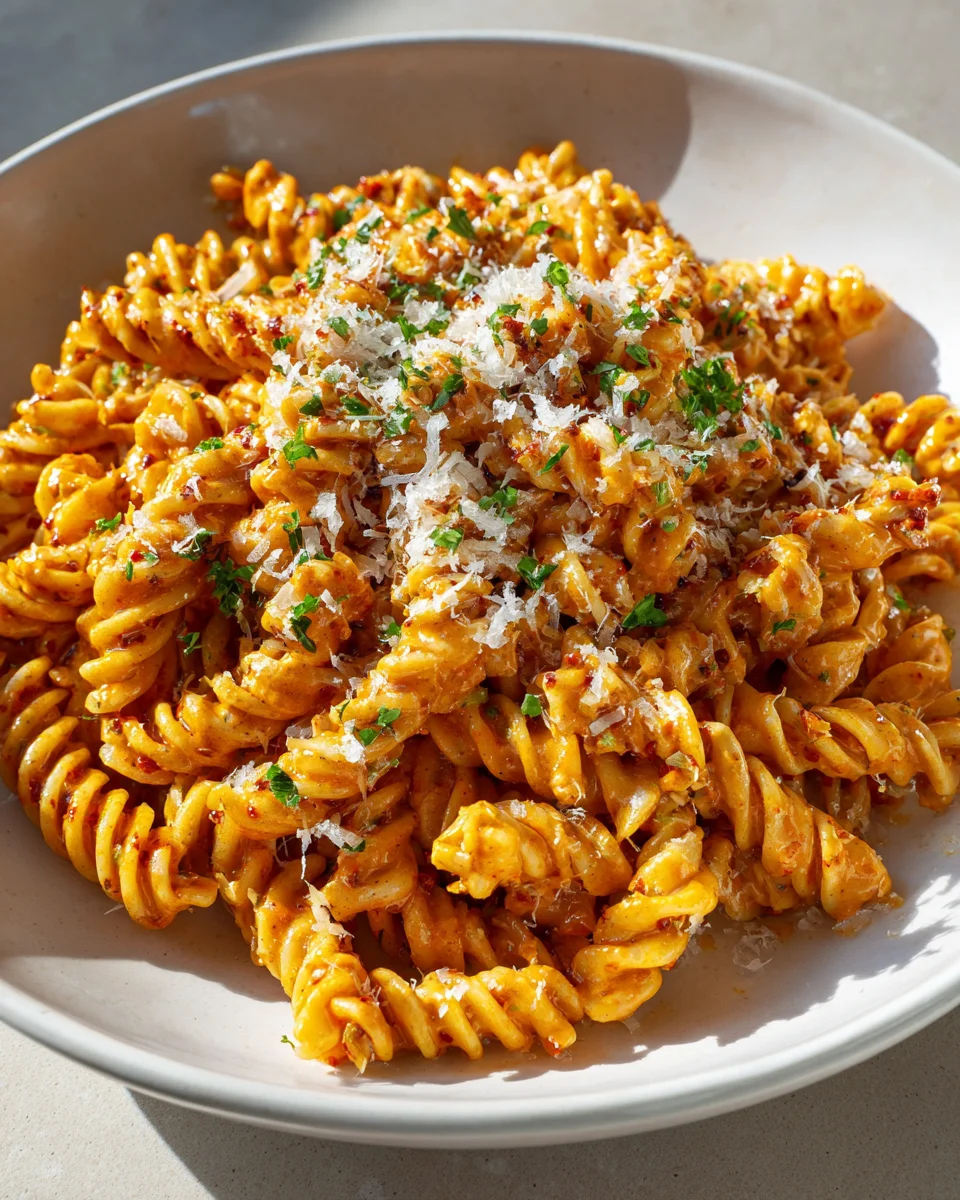
And there you have it – my incredible Gochujang Pasta! I truly believe this dish is a must-try for anyone looking to spice up their dinner routine with something truly unique and satisfying. The magical blend of savory gochujang with the familiar comfort of pasta creates an explosion of flavor that’s both bold and incredibly comforting. It’s the perfect harmony of spicy, sweet, and umami, all in one delightful bowl. I love how adaptable Gochujang Pasta is too, easily fitting into your preferences while always delivering that unforgettable kick. If you’re craving a meal that’s quick, utterly delicious, and promises a delightful culinary adventure, then this Gochujang Pasta is calling your name. I hope you enjoy every single flavorful bite as much as I do!
Spicy Gochujang Pasta: Easy Korean-Italian Fusion Meal
- Total Time: 45 minutes
- Yield: 4 servings
Description
Discover the unique flavors of Gochujang Pasta, a delightful fusion of Korean and Italian cuisine. This dish combines the spicy kick of gochujang with comforting pasta for a satisfying meal.
Ingredients
- Gochujang
- Pasta (spaghetti, linguine, penne, rigatoni, or fettuccine)
- Minced Beef
- Finely diced onion
- Minced garlic
- Heavy cream (or half-and-half, whole milk, or full-fat coconut milk)
- Beef broth (or vegetable broth)
- Brown sugar (or honey)
- Soy sauce
- Thinly sliced scallions (green onions) – optional garnish
- Toasted sesame seeds – optional garnish
- Egg yolk – optional garnish
Instructions
- Cook Your Pasta: First things first, get a large pot of salted water boiling. Add your pasta and cook according to package directions until it's al dente. Before draining, make sure to reserve about 1 to 1.5 cups of that starchy pasta water.
- Sauté the Aromatics: While your pasta is cooking, heat a large skillet or deep pan over medium heat with a drizzle of your preferred cooking oil. Add the finely diced onion and cook for about 3-4 minutes, until it softens and becomes translucent. Then, toss in the minced garlic and cook for another minute until fragrant.
- Brown the Beef: Push the cooked aromatics to one side of the pan. Add your minced beef to the other side and break it up with a spoon. Cook until it’s fully browned, about 5-7 minutes. Once cooked, drain off any excess fat from the pan. Then, stir the beef and aromatics together.
- Build the Gochujang Sauce Base: Reduce the heat to medium-low. To the beef and aromatics, add your gochujang, soy sauce, brown sugar (or honey), and beef broth. Stir everything together really well, making sure there are no lumps of gochujang. Let this mixture simmer gently for about 3-5 minutes.
- Add the Cream: Pour in the heavy cream (or your chosen dairy/non-dairy alternative). Stir it into the gochujang sauce until everything is smooth and beautifully combined. Let it come to a gentle simmer again, but don’t let it boil vigorously.
- Combine Pasta and Sauce: Add your drained, al dente pasta directly into the pan with the gochujang cream sauce. Using tongs, toss the pasta vigorously, ensuring every strand is thoroughly coated in that glorious sauce. If the sauce seems too thick, gradually add some of your reserved pasta water.
- Serve Immediately: Transfer your Gochujang Pasta to serving bowls. Garnish with those lovely fresh scallions, a sprinkle of toasted sesame seeds, and if you’re feeling indulgent, that fresh egg yolk on top.
- Prep Time: 15 mins
- Cook Time: 30 mins
- Category: Dinner
- Method: Cooking
- Cuisine: Korean-Italian Fusion
Nutrition
- Serving Size: 1 bowl
- Calories: 600
- Sugar: 10 g
- Sodium: 800 mg
- Fat: 30 g
- Saturated Fat: 15 g
- Unsaturated Fat: 10 g
- Trans Fat: 0 g
- Carbohydrates: 70 g
- Fiber: 3 g
- Protein: 25 g
- Cholesterol: 80 mg
Keywords: Adjust the spice level of gochujang to your preference, and feel free to add vegetables or cheese for extra flavor and texture. Always taste and adjust the sauce before serving.
Leave a Comment