

Portuguese Coconut Cakes
Oh, if you’re anything like me and have a soft spot for treats that transport you straight to sun-drenched European cafes, then you are absolutely going to adore these! Portuguese Coconut Cakes, or “Bolo de Coco” as they’re known in Portugal, are not just any sweet treat; they’re a little bite of heaven that captures the vibrant spirit of Portuguese baking. What makes them so special, you ask? It’s that incredible combination of a surprisingly moist, almost chewy interior packed with tropical coconut goodness, all topped with a delicate, often slightly crisp exterior. They’re simple, elegant, and bursting with flavor, striking that perfect balance of sweetness without being cloying.

I genuinely believe you’ll fall head over heels for these cakes because they offer a taste of Portuguese tradition in such an approachable way. They’re perfect with a cup of coffee, fantastic for an afternoon pick-me-up, or even as a light dessert after a meal. Imagine sinking your teeth into a small, golden-brown cake that’s intensely coconutty, wonderfully soft, and just sweet enough to satisfy any craving. These little beauties are straightforward to make, meaning you don’t need to be a pastry chef to achieve delightful results. They’re essentially rich, dense coconut macaroons but with a distinct Portuguese flair that gives them a unique texture and irresistible charm. Trust me, once you try them, you’ll want to make them again and again!
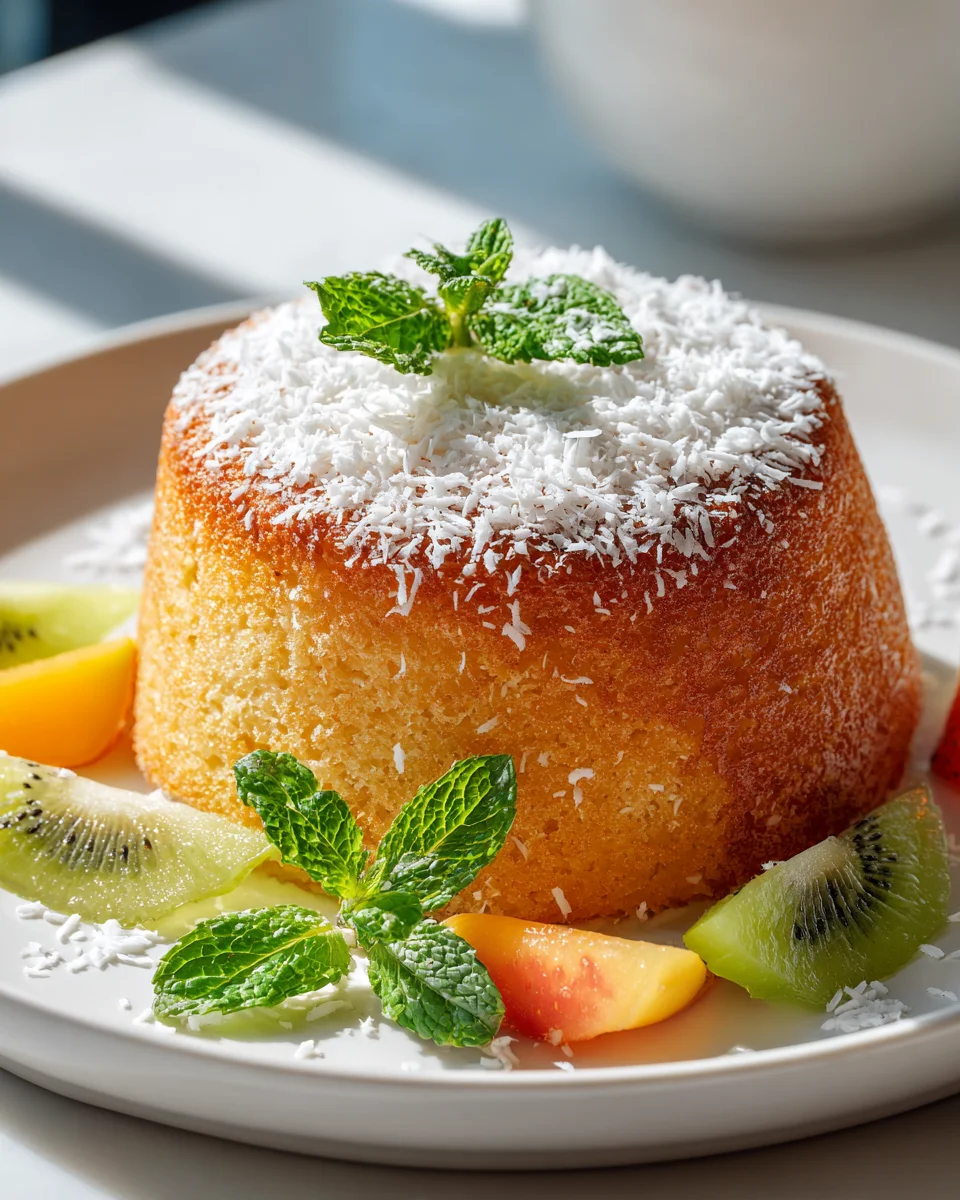
Ingredient Notes
Olá, fellow bakers! When it comes to whipping up a batch of delicious Portuguese Coconut Cakes, or Bolo de Coco, the beauty really lies in the simplicity and quality of a few key ingredients. I find that focusing on these basics makes all the difference in achieving that perfectly moist, chewy, and irresistibly aromatic treat we all love. Let’s dive into what you’ll need and some helpful notes.
Shredded Coconut
- The Star: This is, naturally, the heart and soul of our cakes! I always recommend using unsweetened desiccated shredded coconut for the best results. It allows you to control the sugar level in the overall recipe and gives that authentic, intense coconut flavor without being overly sweet.
- Substitution Tip: If you can only find sweetened shredded coconut, simply reduce the amount of granulated sugar in the recipe by about a quarter to a third, tasting as you go. Freshly grated coconut can also be used, which will lend an even more pronounced, vibrant coconut taste and a slightly different, more fibrous texture. If using fresh, ensure it’s finely grated.
Granulated Sugar
- For Sweetness and Structure: Regular granulated sugar is perfect here. It not only provides the necessary sweetness but also helps create that lovely caramelized exterior and contributes to the cakes’ structure.
- Substitution Tip: You can use castor sugar (superfine sugar) if you prefer, as it dissolves a little faster, but regular granulated works beautifully. I wouldn’t recommend brown sugar, as its molasses notes might overpower the delicate coconut flavor we’re aiming for. For those looking to reduce sugar, a high-quality sugar substitute designed for baking can be used, but be aware that it might slightly alter the texture and browning.
Eggs
- The Binder: Eggs are crucial for binding all that wonderful coconut goodness together. Typically, we use whole eggs in Portuguese Coconut Cakes, which contribute to both moisture and structure.
- Substitution Tip: There isn’t a direct, easy substitution for eggs in this particular recipe without significantly altering the texture and ability of the cakes to hold together. Their role in binding and richness is quite unique here. If you’re looking for an egg-free version, you’d likely need a completely different recipe designed for that purpose, perhaps relying on condensed milk or other binders.
Lemon Zest
- Brightening Agent: Ah, lemon zest! This is one of my favorite traditional Portuguese touches. Just a little bit of finely grated zest from an organic lemon elevates the flavor profile immensely, cutting through the sweetness and adding a beautiful, subtle citrus aroma that truly makes these cakes sing.
- Substitution Tip: If you don’t have a lemon on hand, orange zest is a wonderful alternative that provides a similar brightening effect with a slightly different citrus note. I always recommend fresh zest over bottled, as the aroma and flavor are incomparable.
All-Purpose Flour (Optional)
- For Stability: Some traditional recipes include a small amount of all-purpose flour. It helps to give the cakes a bit more structure and prevents them from spreading too much, leading to a slightly softer crumb.
- Substitution Tip: If you’re looking for a gluten-free option, you can often omit the flour entirely, resulting in a denser, chewier cake (more akin to a macaroon), or substitute it with an equal amount of almond flour. If using almond flour, the cakes might be a bit more delicate, but still delicious!
That’s it for the core ingredients! You’ll notice there’s no need for any complex or exotic items, which is part of the charm of these delightful Portuguese Coconut Cakes.
Step-by-Step Instructions
Alright, let’s get those hands busy and create some magic! Making Portuguese Coconut Cakes is wonderfully straightforward, and I’ll walk you through each step to ensure you get perfect results every time.
-
Preheat and Prep:
First things first, let’s get our oven ready. Preheat your oven to 180°C (350°F). While it’s heating up, line a baking sheet with parchment paper. This prevents sticking and makes cleanup a breeze. If you’re making a larger batch, prepare two sheets.
-
Combine Dry Ingredients:
In a large mixing bowl, combine your shredded coconut, granulated sugar, and the lemon zest. If your recipe calls for a small amount of all-purpose flour, add it in now too. Give these dry ingredients a good stir with a spoon or whisk until they are thoroughly combined. I find this helps distribute the flavors evenly, especially that lovely lemon zest!
-
Add the Eggs:
Next, crack your eggs into a separate small bowl and whisk them lightly with a fork, just enough to break the yolks and combine them. Pour the whisked eggs into the bowl with your coconut mixture. This is where the magic starts to happen!
-
Mix the Batter:
Using a sturdy spoon, or even your clean hands (which I find is the best way to really get a feel for the mixture), thoroughly mix everything together. You want to make sure all the coconut is moistened by the egg and sugar, forming a cohesive, sticky batter. Don’t overmix, but ensure there are no dry pockets of coconut. The mixture should be firm enough to hold its shape.
-
Form the Cakes:
Now for the fun part – shaping! Using a small ice cream scoop (about 1.5 to 2 tablespoons) or two spoons, scoop mounds of the coconut mixture onto your prepared baking sheet. Leave about an inch or so between each cake to allow for a little spread. I like to gently press down on the tops of each mound to flatten them slightly, creating a more uniform cake shape, but you can also leave them rounded for a rustic look.
-
Bake to Golden Perfection:
Place your baking sheet in the preheated oven. Bake for about 15-20 minutes, or until the edges are beautifully golden brown and the tops are a light golden hue. Every oven is different, so keep an eye on them after about 12 minutes. You want them to be set and firm to the touch, with that lovely toasted coconut aroma filling your kitchen!
-
Cool and Enjoy:
Once baked, carefully remove the baking sheet from the oven. Let the Portuguese Coconut Cakes cool on the baking sheet for about 5-10 minutes. They’ll be a little fragile right out of the oven but will firm up as they cool. Then, transfer them to a wire rack to cool completely. This step is important to ensure they don’t get soggy on the bottom.
And there you have it! Beautiful, homemade Portuguese Coconut Cakes, ready to be devoured. Enjoy every sweet, chewy bite!
Tips & Suggestions
Making Portuguese Coconut Cakes is a delightful experience, and over the years, I’ve picked up a few tricks that I love to share to ensure your cakes turn out perfectly every time. These little gems are all about texture and flavor, so let’s make them shine!
- Don’t Over-Bake: This is probably the most crucial tip! While you want the edges to be golden brown, you don’t want to bake them until they are completely dry. The magic of these cakes is their chewy, moist interior. Pull them from the oven when the edges are nicely toasted and the tops are lightly golden. They will continue to set as they cool. Over-baking will result in dry, crumbly cakes.
- Achieve the Perfect Texture: For that ideal balance of crisp exterior and chewy interior, make sure your oven temperature is accurate. If your oven tends to run hot or cold, adjust accordingly. Also, ensuring your coconut mixture is well-hydrated by the eggs is key for moisture.
- Uniformity for Even Baking: Try to make your cakes roughly the same size. This ensures they all bake evenly and finish at the same time. A small ice cream scoop is your best friend here, or simply use two spoons and eyeball it.
- Lemon Zest is Your Friend: I can’t stress this enough – don’t skip the lemon zest! It adds a vibrant freshness that beautifully cuts through the sweetness of the coconut, elevating the entire flavor profile. If you have extra, a little additional zest can be sprinkled over the top after baking for an extra aromatic kick.
- Flavour Variations: While the classic version is utterly delicious, don’t hesitate to experiment!
- Chocolate Drizzle: Once cooled, melt some good quality dark or milk chocolate and drizzle it over the cakes for a decadent touch.
- Lime or Orange Zest: As mentioned in ingredients, lime or orange zest can be a fantastic alternative to lemon, offering a slightly different citrus note.
- A Hint of Spice: For a very subtle warmth, you could try adding a tiny pinch of ground cinnamon or cardamom to the dry ingredients, though this moves away from the traditional Portuguese profile slightly.
- Serving Suggestions: Portuguese Coconut Cakes are wonderfully versatile!
- Coffee Companion: They are absolutely perfect alongside a strong cup of Portuguese coffee or espresso for a delightful morning or afternoon treat.
- Dessert Platter: Serve them as part of a dessert spread, perhaps with some fresh berries or a scoop of vanilla ice cream.
- Gift Giving: Package them beautifully in a box with parchment paper between layers, and they make a thoughtful, homemade gift for friends and family.
Storage
You’ve successfully baked a batch of irresistible Portuguese Coconut Cakes! Now, how do you keep them fresh and delicious for as long as possible? Proper storage is key to maintaining their wonderful texture and flavor. Here’s how I like to store mine:
-
At Room Temperature:
For short-term storage, your Portuguese Coconut Cakes will do beautifully at room temperature. Once they have completely cooled, transfer them to an airtight container. I like to place a piece of parchment paper between layers if stacking them, just to prevent any sticking. Stored this way, they will stay fresh and perfectly chewy for about 3 to 5 days. Keeping them sealed prevents them from drying out and losing that lovely moist interior.
-
Refrigeration:
While generally not necessary, if you live in a very warm and humid climate or want to extend their freshness by a couple of extra days, you can refrigerate these cakes. Again, place them in an airtight container. When stored in the refrigerator, they should last for up to a week. Just be aware that refrigeration can sometimes alter the texture slightly, making them a little firmer. I usually let them come to room temperature for about 15-20 minutes before serving if they’ve been chilled, to let the flavors and textures soften a bit.
-
Freezing for Later:
Yes, you can absolutely freeze Portuguese Coconut Cakes! This is a fantastic option if you’ve made a large batch or want to have some on hand for a spontaneous treat.
- Individual Freezing: Once your cakes are completely cool, arrange them in a single layer on a baking sheet and place the sheet in the freezer for about an hour or two, or until they are solid. This step prevents them from sticking together when you bag them.
- Airtight Storage: Once frozen solid, transfer the cakes to a freezer-safe airtight container or a heavy-duty freezer bag. Squeeze out as much air as possible from the bag to prevent freezer burn.
- Thawing: When you’re ready to enjoy them, simply take out the desired number of cakes and let them thaw at room temperature for about 30-60 minutes. You can also give them a quick gentle reheat in a low oven (around 150°C/300°F) for 5-10 minutes if you like them warm, but be careful not to overcook them.
Frozen, these coconut cakes can maintain their quality for up to 2-3 months. It’s such a convenient way to always have a taste of Portugal ready to go!
No matter how you store them, I hope you enjoy every single bite of these wonderful Portuguese Coconut Cakes!
Final Thoughts
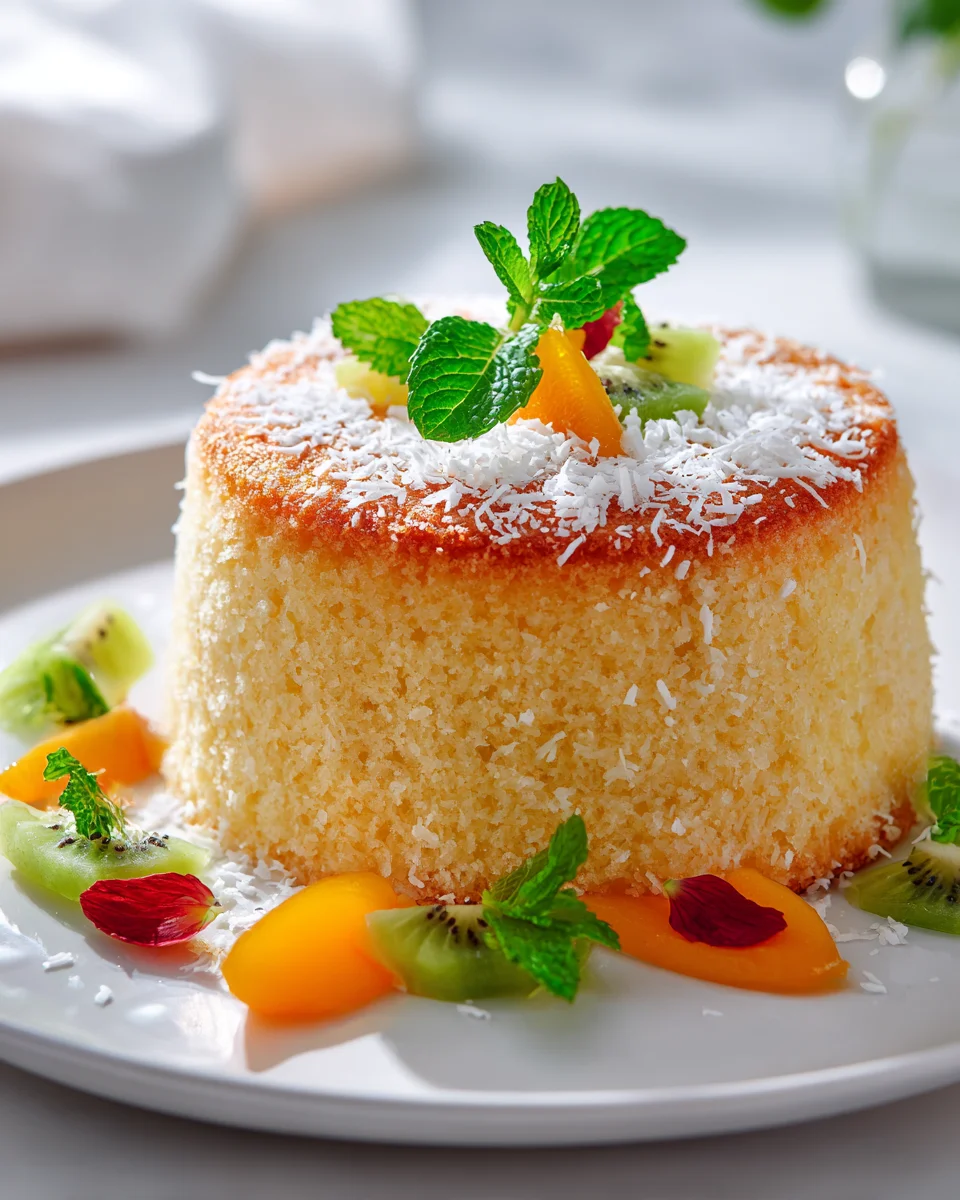
I truly hope you’ve enjoyed the journey of making these delightful Portuguese Coconut Cakes. For me, they represent everything wonderful about simple, yet profoundly satisfying, baking. The magic lies in their unique texture – wonderfully moist and chewy on the inside, with a subtly crisp exterior, all bursting with the sweet, tropical essence of coconut. They’re not overly sweet, which allows the natural flavors to truly shine through, making them incredibly moreish.
This isn’t just another cake recipe; it’s an invitation to experience a little piece of Portuguese culinary charm. Whether you’re sharing them with loved ones over a cup of coffee or savoring one all to yourself, these Portuguese Coconut Cakes are guaranteed to bring a smile. They’re easy enough for a weeknight treat but elegant enough for any special occasion. I promise, once you taste these authentic, comforting bites, you’ll understand why this recipe is an absolute must-try. Give them a chance, and prepare to fall in love!
Authentic Portuguese Coconut Cakes – A Sweet Treat!
- Total Time: 35 minutes
- Yield: 12 servings 1x
Description
Experience the delightful taste of Portuguese Coconut Cakes, or ‘Bolo de Coco’, with their moist and chewy interior packed with tropical coconut goodness. Perfect for any occasion, these cakes are a simple yet elegant treat that will transport you straight to sun-drenched European cafes.
Ingredients
- 2 cups unsweetened desiccated shredded coconut
- 1 cup granulated sugar
- 2 large eggs
- Zest of 1 organic lemon
- 1/4 cup all-purpose flour (optional)
Instructions
- Preheat your oven to 180°C (350°F) and line a baking sheet with parchment paper.
- In a large mixing bowl, combine the shredded coconut, granulated sugar, and lemon zest. If using, add the all-purpose flour and stir until thoroughly combined.
- In a separate small bowl, crack the eggs and whisk them lightly. Pour the whisked eggs into the coconut mixture.
- Using a sturdy spoon or your hands, mix everything together until the coconut is moistened and a sticky batter forms.
- Using a small ice cream scoop or two spoons, scoop mounds of the mixture onto the prepared baking sheet, leaving space between each cake.
- Bake in the preheated oven for about 15-20 minutes, or until the edges are golden brown and the tops are lightly golden.
- Remove from the oven and let the cakes cool on the baking sheet for 5-10 minutes before transferring them to a wire rack to cool completely.
- Prep Time: 15 mins
- Cook Time: 20 mins
- Category: Dessert
- Method: Baking
- Cuisine: Portuguese
Nutrition
- Serving Size: 1 cake
- Calories: 150
- Sugar: 10 g
- Sodium: 50 mg
- Fat: 7 g
- Saturated Fat: 5 g
- Unsaturated Fat: 2 g
- Trans Fat: 0 g
- Carbohydrates: 20 g
- Fiber: 2 g
- Protein: 3 g
- Cholesterol: 50 mg
Keywords: For best results, use unsweetened shredded coconut to control sweetness. Don't skip the lemon zest, as it enhances the flavor. If you need a gluten-free option, you can omit the flour or substitute with almond flour.
Leave a Comment