

Making Applesauce: How To Get It Smooth Without A Food Mill
Oh, applesauce! There’s just something so comforting and absolutely delicious about a bowl of homemade applesauce. I absolutely adore it, especially when it’s perfectly smooth and velvety. But let’s be honest, not everyone has a fancy food mill lying around, and honestly, who wants extra gadgets cluttering up their kitchen if they don’t have to? That’s exactly why I’m so excited to share this recipe with you!

This isn’t just any applesauce recipe; it’s the ultimate guide for achieving that luscious, restaurant-quality smooth texture using tools you likely already own. You’ll love this because it completely sidesteps the need for specialized equipment, opening up the wonderful world of homemade, silky applesauce to everyone. Imagine scooping into a warm, fragrant bowl of sweet-tart goodness, knowing you made it yourself with minimal fuss. We’re going to take beautiful, fresh apples, simmer them down to tender perfection, and then employ a simple, brilliant trick to transform them into the smoothest applesauce you’ve ever had – all without touching a food mill. Get ready to experience true applesauce bliss!
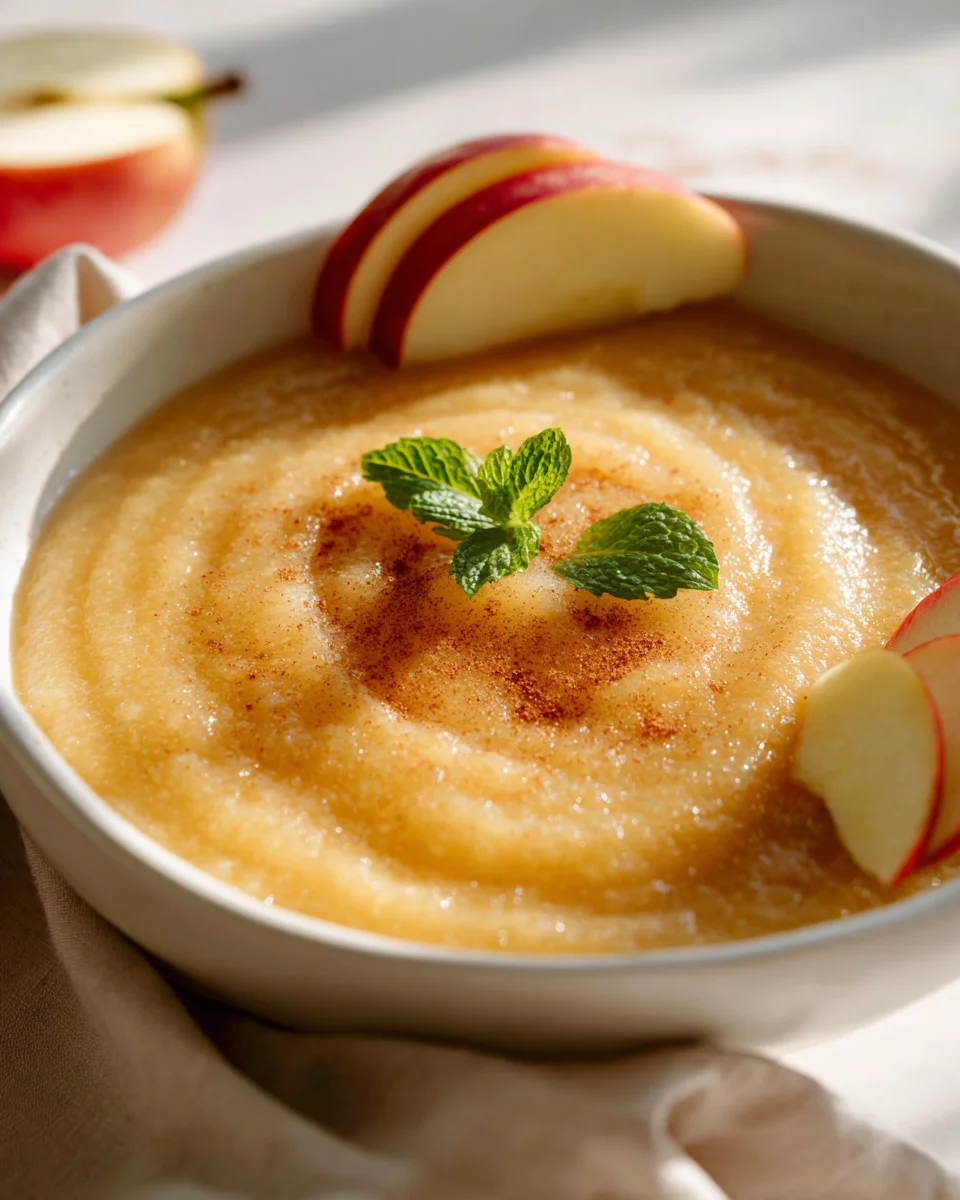
Ingredient Notes
Creating wonderfully smooth applesauce without a food mill relies heavily on selecting the right apples and a few simple supporting ingredients. Here’s what I typically use and some friendly substitutions:
- Apples: This is where the magic starts! For the smoothest applesauce, I highly recommend using varieties that break down easily when cooked. My favorites include McIntosh, Golden Delicious, Fuji, Gala, or even a blend of these. They naturally become very soft and require less effort to achieve that silky texture. You can use tart apples like Granny Smith, but I find they take longer to soften and might need a little extra blending power to get truly smooth, so if you do, consider mixing them with a softer variety for balance.
- Liquid: A little liquid helps the apples cook down evenly and prevents sticking. I usually opt for plain water, especially if I want the pure apple flavor to shine. For a richer taste, unsweetened apple cider or a non-alcohol white wine alternative can add lovely depth. Just a small amount is needed, as apples release a lot of their own liquid as they cook.
- Sweetener (Optional): The need for sweetener depends entirely on the sweetness of your apples and your personal preference. I often find I don’t need much, if any, when using naturally sweet apples. Granulated sugar, maple syrup, or honey are all excellent choices. Start with a small amount and adjust at the end.
- Spices (Optional): Cinnamon is the classic choice for applesauce, and I love adding a stick or a pinch of ground cinnamon while the apples cook. Nutmeg, allspice, or a touch of ground cloves can also be wonderful for adding warmth and complexity. For a fresh note, a squeeze of lemon juice at the end can brighten the flavor.
Substitutions & Tips for Smoothness:
- Apple Blends: Don’t be afraid to mix and match! A combination of sweet and slightly tart apples often yields the most balanced flavor. Just ensure all varieties chosen are good candidates for breaking down easily.
- Liquid Variety: While water is perfectly fine, experimenting with different liquids can subtly change the character of your applesauce. Just avoid anything too strong that would overpower the delicate apple flavor.
- No Added Sugar: If you’re using very sweet apples, you might find you don’t need any added sweetener at all, making for a naturally delicious and healthy treat.
Step-by-Step Instructions
Getting applesauce perfectly smooth without a food mill is all about proper cooking and the right blending technique. Here’s how I do it:
1. Prepare the Apples
- Wash and Peel: First, I thoroughly wash all my apples. Then, I peel them. While some recipes suggest leaving the peels on for extra nutrition, for truly smooth applesauce without a food mill, I find it essential to remove the peels. They simply won’t break down enough to become silky smooth, even with vigorous blending.
- Core and Chop: Next, I core the apples and chop them into relatively small, uniform pieces, about 1-inch cubes or even smaller. This is a critical step! Smaller pieces cook faster and more evenly, ensuring they all become incredibly soft, which is key for achieving smoothness without a mill. Uniformity means no hard bits will be left behind.
2. Cook the Apples
- Combine Ingredients: I place the chopped apples in a large, heavy-bottomed pot or Dutch oven. I add my chosen liquid (water, apple cider, or non-alcohol alternative) – usually about 1/4 to 1/2 cup for 3-4 pounds of apples, depending on how juicy my apples are. If I’m using a cinnamon stick or other whole spices, I add them now.
- Simmer to Perfection: I bring the mixture to a gentle simmer over medium heat, then reduce the heat to low, cover the pot, and let it cook. I stir occasionally to prevent sticking and ensure even cooking. This step is crucial: I cook the apples until they are incredibly soft, practically falling apart, and easily mashed with a fork. This usually takes anywhere from 15 to 30 minutes, depending on the apple variety and chop size. If they aren’t completely mushy, your applesauce won’t be smooth.
- Remove Whole Spices: If I used a cinnamon stick or other whole spices, I carefully remove them from the pot before moving on to the blending step.
3. Achieve Smoothness (Without a Food Mill!)
Now for the fun part – turning those mushy apples into glorious, smooth applesauce!
- Option A: Immersion Blender (My Top Choice for Smoothness): This is my preferred method for achieving perfectly smooth applesauce right in the pot. Once the apples are cooked and very soft, I simply plunge my immersion blender directly into the pot. I blend until the applesauce reaches my desired consistency – usually a minute or two of continuous blending, moving the blender around to catch all the pieces. This method is quick, easy, and creates minimal mess.
- Option B: Regular Blender or Food Processor: If you don’t have an immersion blender, a regular blender or food processor works beautifully too.
- Careful Transfer: I carefully transfer the hot cooked apples to my blender or food processor. Important Safety Note: When blending hot liquids, only fill the blender about halfway. The heat creates steam, which can build pressure.
- Vent the Lid: I remove the center cap from the blender lid (if it has one) and cover the opening with a kitchen towel to prevent splattering while allowing steam to escape.
- Blend in Batches: I blend in batches until completely smooth, starting on low speed and gradually increasing. If the mixture is too thick to blend easily, I might add a tablespoon or two of hot water or apple cider to help it along.
- Return to Pot: Once all batches are smooth, I return the applesauce to the pot.
4. Final Touches
- Taste and Adjust: Once the applesauce is smooth, I give it a taste test. This is where I add any granulated sugar, maple syrup, honey, or ground spices (like a pinch of cinnamon or nutmeg) if needed. I stir well to dissolve any sugar and ensure the flavors are evenly distributed.
- Serve: I warm the applesauce gently if serving immediately, or let it cool before storing.
Tips & Suggestions
To ensure your homemade applesauce is always incredibly smooth and delicious, even without a food mill, I’ve gathered a few extra tips from my own experience:
- Choose Your Apples Wisely: As I mentioned in the ingredient notes, the type of apple really makes a difference. Softer apples like McIntosh, Golden Delicious, Fuji, or Gala are your best friends for smooth applesauce. They have a lower pectin content and break down into a fine pulp with much less effort. If you prefer a more tart flavor, consider using a blend, but ensure the majority are soft, easily mushable varieties.
- Chop Them Small and Uniform: I can’t stress this enough! The smaller and more consistently sized your apple pieces are, the faster and more evenly they will cook. This uniformity is paramount for ensuring every piece becomes perfectly soft, eliminating potential lumps before you even start blending. Aim for roughly 1-inch pieces or even smaller.
- Cook Until "Beyond Done": Don’t rush the cooking process. You want the apples to be not just soft, but truly mushy, almost falling apart into a pulp. If there’s any resistance when you press a piece with a fork, keep cooking. Any firm bits will resist blending and result in a less-than-silky texture.
- Don’t Skimp on Blending Time: Once the apples are cooked, whether you’re using an immersion blender or a regular blender, take your time. Blend until you achieve the desired consistency. For super smooth applesauce, I’ll often blend for 1-2 minutes continuously, moving the immersion blender around the pot or ensuring all contents in a regular blender are thoroughly processed. If using a regular blender, scraping down the sides between pulses can help.
- Adjust Liquid for Consistency: If your applesauce seems too thick after blending, you can always add a tablespoon or two of hot water or apple cider to thin it out to your preferred consistency. Stir it in thoroughly and re-blend briefly if necessary. If it’s too thin, you can simmer it gently for a few minutes longer, uncovered, to allow some of the excess liquid to evaporate, stirring often to prevent scorching.
- Flavor Variations: Once you master the basic smooth applesauce, feel free to get creative!
- Vanilla Bean: Split a vanilla bean and add it to the pot with the apples while cooking for an exquisite aroma and flavor. Remove before blending.
- Citrus Zest: A little orange or lemon zest (about 1 teaspoon for 3-4 pounds of apples) added during cooking can brighten the flavor beautifully.
- Ginger: A few slices of fresh ginger cooked with the apples can add a lovely spicy kick. Remove before blending.
- Mixed Spices: Instead of just cinnamon, try a pinch of pumpkin pie spice or apple pie spice for a more complex flavor profile.
- Don’t Be Afraid of a Test Run: If you’re new to making applesauce this way, try a small batch first. It helps you get a feel for how long your specific apples take to cook and how much blending they need to reach that perfect smoothness.
Storage
Once you’ve made a batch of delicious, smooth applesauce, you’ll want to store it properly to enjoy it for as long as possible. Here’s how I typically handle storage:
- Refrigeration:
- After making the applesauce, allow it to cool completely to room temperature before transferring it to storage containers. This prevents condensation from building up, which can affect its quality and shelf life.
- Spoon the cooled applesauce into clean, airtight containers (glass jars or plastic containers with tight-fitting lids work perfectly).
- Store the applesauce in the refrigerator for up to 7-10 days. Always give it a sniff and a visual check before serving if it’s been in the fridge for a while – if it smells off or shows any signs of mold, it’s best to discard it.
- Freezing:
- Freezing is an excellent option if you’ve made a large batch or want to keep your applesauce for an extended period.
- Again, ensure the applesauce is completely cool before freezing.
- Divide the applesauce into freezer-safe containers, leaving about an inch of headspace at the top. This is important because liquids expand when frozen. You can use plastic freezer containers, freezer bags (laid flat for efficient storage), or even ice cube trays (once frozen, pop out the cubes and store them in a freezer bag).
- Label the containers with the date so you know when you made it.
- Frozen applesauce can be stored in the freezer for up to 3-6 months. While it’s generally safe for longer, the quality and texture might start to degrade past this point.
- To Thaw: Simply transfer the frozen applesauce from the freezer to the refrigerator a day before you plan to use it. For quicker thawing, you can place the sealed container in a bowl of cold water, changing the water every 30 minutes. Once thawed, stir well before serving.
- Canning (for long-term pantry storage):
- If you’re looking for shelf-stable storage that doesn’t require refrigeration or freezing, canning is an option. However, home canning requires specific knowledge and equipment to be done safely to prevent spoilage and bacterial growth.
- For applesauce, a boiling water bath canning method is typically used. If you’re interested in canning, I highly recommend consulting reliable canning guides (like those from the USDA or your local extension office) for detailed, safe instructions specific to your altitude and jar size. This method extends the shelf life significantly, often for a year or more in a cool, dark pantry.
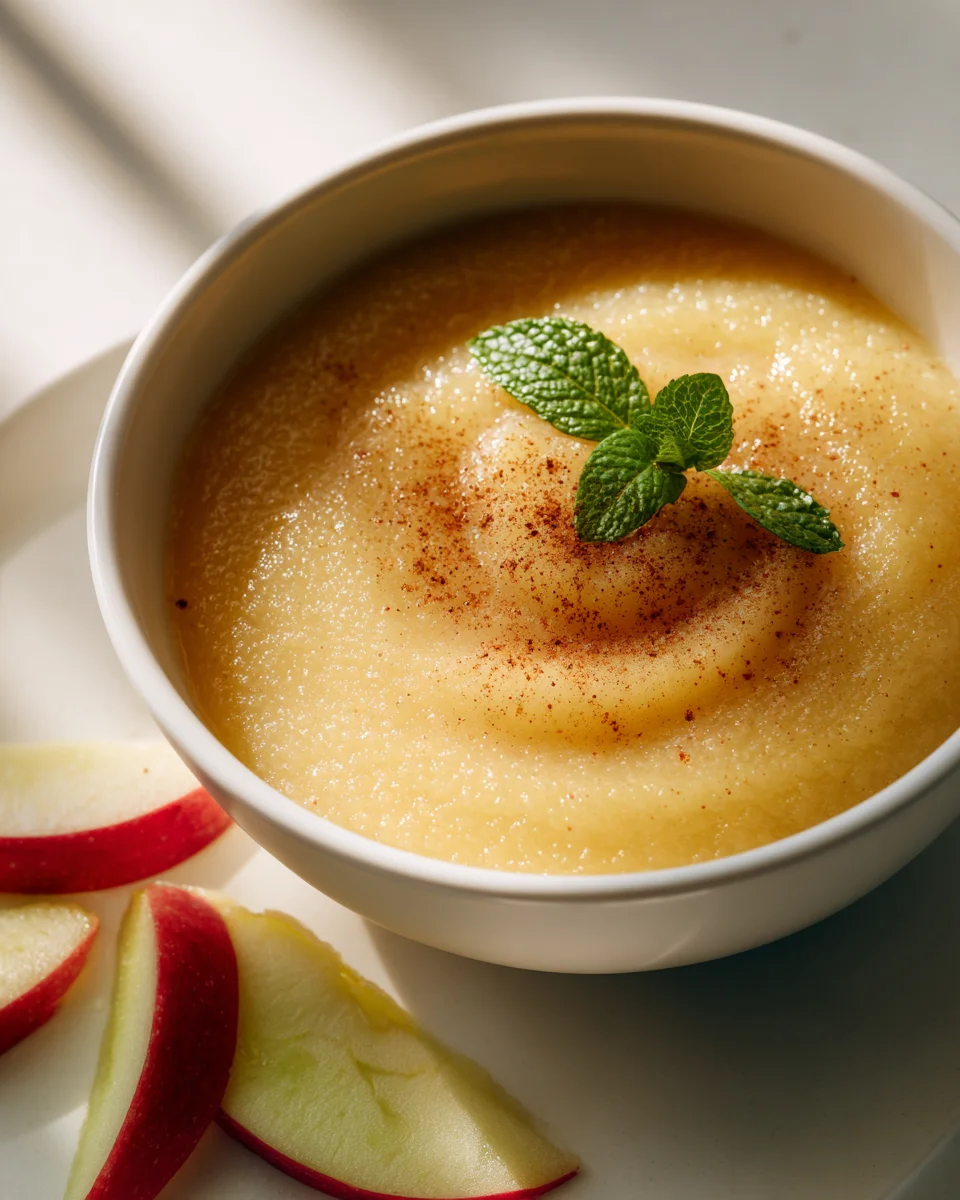
Final Thoughts
So there you have it! I truly hope you’re feeling inspired and excited to try out this fantastic method for making your very own homemade applesauce. This recipe, Making Applesauce: How To Get It Smooth Without A Food Mill, truly takes the guesswork out of achieving that perfect, velvety consistency without needing any specialized equipment. I find it incredibly rewarding to transform simple apples into such a delightful, smooth treat using just a few common kitchen tools.
I promise you’ll be amazed at how easy it is to create a batch of incredibly smooth, delicious applesauce that rivals any store-bought version. Give Making Applesauce: How To Get It Smooth Without A Food Mill a go – I’m confident it will become your go-to method for enjoying the simple pleasure of homemade goodness!

Get Velvety Smooth Applesauce Without a Food Mill!
- Total Time: 45 minutes
- Yield: 4 servings 1x
Description
This recipe provides a simple method to create deliciously smooth applesauce without the need for a food mill. Using common kitchen tools, you can achieve a velvety texture that is both comforting and satisfying.
Ingredients
- 3–4 pounds of apples (McIntosh, Golden Delicious, Fuji, Gala, or a blend)
- 1/4 to 1/2 cup of liquid (water, unsweetened apple cider, or non-alcohol white wine alternative)
- Granulated sugar, maple syrup, or honey (optional, to taste)
- Cinnamon (optional, stick or ground)
- Nutmeg (optional)
- Allspice (optional)
- Ground cloves (optional)
- Lemon juice (optional, for brightness)
Instructions
- Wash and peel the apples thoroughly.
- Core the apples and chop them into small, uniform pieces, about 1-inch cubes.
- Place the chopped apples in a large, heavy-bottomed pot or Dutch oven.
- Add the chosen liquid (water, apple cider, or non-alcohol alternative) to the pot.
- Bring the mixture to a gentle simmer over medium heat, then reduce to low, cover, and cook until the apples are incredibly soft, about 15 to 30 minutes.
- Remove any whole spices, such as cinnamon sticks, from the pot.
- Use an immersion blender to blend the applesauce directly in the pot until smooth, or transfer to a regular blender or food processor for blending.
- If using a regular blender, carefully transfer the hot apples to the blender, vent the lid, and blend in batches until smooth.
- Taste the applesauce and adjust sweetness or spices as needed.
- Serve warm or let cool before storing.
- Prep Time: 15 mins
- Cook Time: 30 mins
- Category: Dessert
- Method: Cooking
- Cuisine: American
Nutrition
- Serving Size: 1 bowl
- Calories: 100
- Sugar: 15 g
- Sodium: 5 mg
- Fat: 0 g
- Saturated Fat: 0 g
- Unsaturated Fat: 0 g
- Trans Fat: 0 g
- Carbohydrates: 25 g
- Fiber: 3 g
- Protein: 1 g
- Cholesterol: 0 mg
Keywords: Choose softer apple varieties for the best smoothness. Ensure uniform chopping for even cooking, and don't rush the cooking process to achieve the desired mushy texture.
Leave a Comment